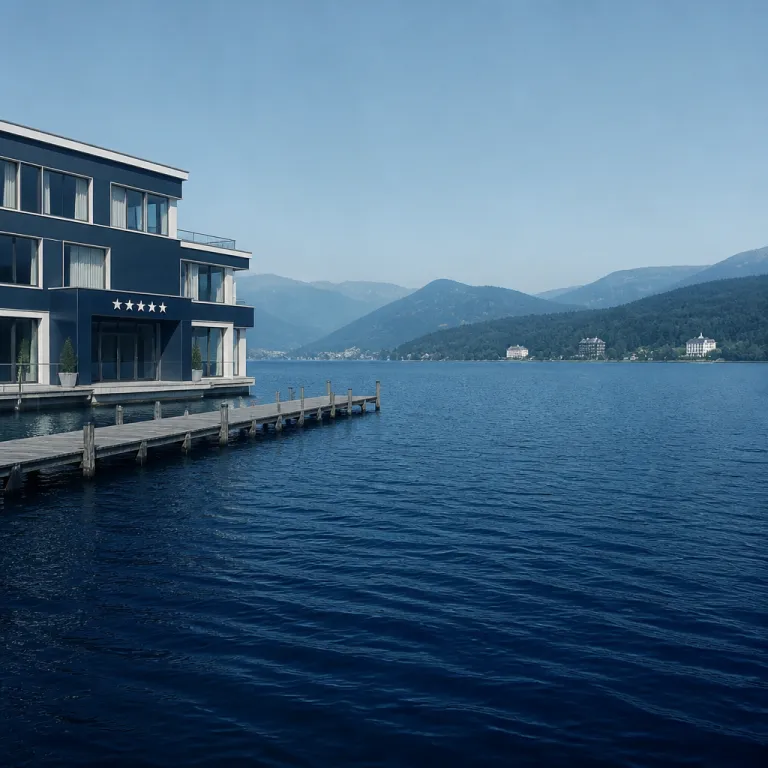
How michelin star restaurants in Austria shape luxury hotel choices
Michelin star restaurants in Austria now define where many luxury travelers sleep. When the MICHELIN Guide raised the national tally to 124 stars across 101 restaurants in its 2024 Austria edition, it quietly redrew the map for premium hotel bookings in the country. For guests who treat gourmet cuisine as the main reason to travel, the hotel key is simply the passport to the nearest chef’s table.
Understanding how michelin star restaurants in Austria are distributed helps you decide whether to base yourself in Vienna, Salzburg, Tyrol or Styria. According to the official 2024 MICHELIN Guide Austria press release, Tyrol and Vienna each hold 26 stars, while Salzburg and Styria follow closely, which means several cities now support serious fine dining itineraries anchored by high end hotels. When you compare these regions, you are really comparing clusters of restaurants, chefs and gourmet hotel partners rather than just landscapes.
Inspectors in the MICHELIN Guide apply a simple but demanding scale that matters for hotel guests who plan trips around dinner. “One star: 'High-quality cooking, worth a stop.' Two stars: 'Excellent cooking, worth a detour.' Three stars: 'Exceptional cuisine, worth a special journey.'” For a traveler booking through a site like myaustriastay.com, that last line often translates into choosing a hotel specifically because a three star or two star restaurant is either in house or a short transfer away.
Austria MICHELIN inspectors now pay closer attention to sustainability, which has pushed more hotels to align their kitchens with local producers and Green Star ambitions. This shift benefits guests who want both a gourmet restaurant and a credible environmental story, especially in Alpine regions where short supply chains are realistic. When you filter properties, look for hotels that highlight partnerships with restaurants the guide has recognised, or that mention a Green Star style philosophy in their dining narrative.
The rise in fine dining has also changed how concierges and hotel teams think about service. In Vienna and Salzburg, many leading properties now coordinate tasting menu start times with opera performances or late check ins, which is crucial for business leisure travelers landing after an afternoon meeting. In Tyrol and Vorarlberg, managers increasingly design two or three night packages that weave together spa time, a michelin star dinner and a relaxed lunch at a nearby Bib Gourmand restaurant, turning the room key into a complete itinerary rather than just a place to sleep.
The regional star map: Vienna, Tyrol, Salzburg and Styria for hotel guests
Vienna remains the most strategic base for guests who want dense access to michelin star restaurants in Austria. Within a compact urban grid, you can move between a three course business lunch, a creative chef’s counter and a late night wine bar without ever needing a car. For travelers who book premium rooms primarily to sleep well between tastings, the capital offers the highest ratio of stars to square kilometres.
Tyrol, by contrast, spreads its MICHELIN distinctions across valleys and ski villages, which changes how you should book hotels. Here, the best strategy is to choose a property that either hosts a gourmet restaurant or sits within a short transfer of one, then treat the surrounding mountains as your afternoon playground. With 26 stars shared among 22 restaurants, Tyrol rewards guests who are willing to drive 20 or 30 kilometres for a dinner that fuses modern cuisine with Alpine produce.
Salzburg and Styria now form a powerful east west axis for food focused itineraries that mix culture and vineyards. Salzburg’s 18 stars across 13 restaurants make it ideal for guests who want a compact baroque city with serious fine dining, while Styria’s 17 stars across 16 restaurants confirm its status as the fastest rising region. If you are planning a wine centred stay, pair a Styrian hotel near the vineyards with the restaurants highlighted in the latest guide Austria and then read this in depth look at how Styria became Austria’s most exciting wine and dining destination.
Within Vienna, names like Amador, Konstantin Filippou, Silvio Nickol and Mraz & Sohn anchor the conversation about where serious diners should sleep. Booking a central luxury hotel places you within easy reach of each restaurant, whether you are chasing a three course tasting or a long chef table experience. Many guests now plan three night stays that rotate between a michelin star dinner, a more relaxed gourmet restaurant and a final evening at a wine focused spot such as Pramerl & The Wolf.
In the west, Vorarlberg’s Rote Wand and its Griggeler Stuba dining room have turned a quiet Alpine village into a pilgrimage site for gastronomy. Here, the Rote Wand chef and the Griggeler Stuba team use the surrounding mountains as their pantry, which makes staying on site almost non negotiable for serious food travelers. When you compare this to Salzburg, where several star restaurants sit within walking distance of the old town hotels, you see how geography dictates whether you book one base or plan a multi stop itinerary.
Hotels with michelin stars attached: when the room key is a reservation
For many readers of myaustriastay.com, the ideal scenario is simple. You check into a quiet suite, change into a jacket, then walk down one flight of stairs to a michelin star dining room that already knows your name. In Austria, several hotels now treat their in house gourmet restaurant as the main reason guests choose them over neighbouring properties.
In Vienna, the relationship between luxury hotels and MICHELIN-rated restaurants is becoming more deliberate. Properties collaborate closely with chefs like Silvio Nickol or the team at Amador to align room packages with tasting menus, late check outs and even kitchen tours. One Vienna general manager recently noted that more than a third of weekend bookings now include a dining component, underlining how central gastronomy has become to occupancy strategy. When a restaurant such as Opus at Hotel Imperial earns a michelin star before reopening, as detailed in this report on how Opus secured its star ahead of relaunch, it signals to guests that the hotel is serious about culinary leadership.
In Alpine regions, the integration between spa, suite and chef table can be even tighter. At places like Rote Wand with its Nickol Gourmet style of tasting menu, or Griggeler Stuba with its focus on terroir driven cuisine, the gourmet restaurant effectively defines the property’s identity. Guests book two or three nights not only for the wellness facilities but also to secure seats at both the main dining room and any experimental side concepts the Rote Wand chef might be running.
Business leisure travelers should pay attention to how these hotels manage logistics around michelin stars. Some properties guarantee a table for in house guests at their star restaurants, while others simply offer priority on waiting lists, which matters during peak congress weeks in Vienna or ski season in Tyrol. When you compare options on a booking platform, look for explicit language about guaranteed reservations, late seating for late arrivals and flexible cancellation policies for tasting menus.
There is also a growing class of partner hotels that do not host a michelin star restaurant themselves but work hand in hand with nearby kitchens. In Salzburg and Styria, several design forward properties arrange transfers to star restaurants, coordinate menus with in room amenities and even schedule breakfast times around late finishing dinners. This partner model can deliver the same culinary impact as staying above the restaurant, while sometimes offering better value or quieter rooms.
The new one star class and Bib Gourmand track: value plays for smart travelers
The latest MICHELIN Guide Austria added 22 new one star restaurants, and that matters directly for how you should plan hotel stays. These younger kitchens often sit in emerging neighbourhoods or secondary cities, where room rates remain more forgiving than in the established luxury districts. For a business traveler extending a trip into leisure, pairing a new star restaurant with a premium but not ultra formal hotel can be the most efficient way to experience cutting edge cuisine.
Many of these new one star addresses lean into modern, creative cooking that feels lighter and more flexible than the grand tasting menus of older institutions. You see this in places like JOLA in Vienna, which offers vegan fine dining, or RAR Fine Dining in Maria Alm, where Asian Alpine cuisine reframes what a mountain dinner can be. When you book nearby hotels, look for properties that understand this shift and offer later bar hours, relaxed dress codes and staff who can talk knowledgeably about the michelin guide rather than only about classical dishes.
The Bib Gourmand track, with 26 new additions, is equally important for guests watching their budget or simply wanting a break from multi course star restaurants. These restaurants MICHELIN has highlighted for value allow you to stay longer in a city without inflating your dining spend, which is crucial for week long stays in Vienna or Salzburg. Smart travelers now mix one michelin star dinner with two or three Bib Gourmand evenings, using the savings to upgrade their room category or extend the trip by a night.
Some of the most interesting hotel and restaurant combinations now sit just outside the main tourist corridors. In Styria, for example, a small design forward hotel near the vineyards can pair beautifully with a Bib Gourmand in a nearby village, creating a rhythm of one gourmet restaurant night followed by a more relaxed evening. This pattern works especially well for couples where one partner is deeply invested in cuisine while the other prefers a lighter, more casual approach.
Keep an eye on special awards within the MICHELIN ecosystem, because they often signal where to book next. The Young Chef Award for Sebastian Stock at Bergfried in Tux suggests that this hotel restaurant combination will only grow more interesting over the coming seasons, particularly for guests who value energy and experimentation. When you see a property linked to such rising talent, it can be worth locking in a reservation before the next guide Austria update pushes both room and table demand higher.
Business dining strategy: working dinners, celebrations and quiet tables
Executives using michelin star restaurants in Austria as extensions of the boardroom need a different filter from leisure travelers. The right restaurant can host a discreet negotiation, while the wrong one overwhelms conversation with performance and noise. Choosing the correct dining room often starts with understanding whether your main goal is to close a deal, reward a team or simply impress a visiting partner.
In Vienna, restaurants such as Konstantin Filippou, Silvio Nickol or Pramerl & The Wolf each serve different business purposes. Konstantin Filippou offers a chef driven, creative cuisine that suits clients who follow the international food scene, while Silvio Nickol’s setting feels more classically luxurious for formal celebrations. Pramerl & The Wolf, with its intimate scale, can be ideal for a small team dinner where you want the chef to guide the experience without overwhelming the table with ceremony.
For working dinners, look for gourmet restaurant rooms that balance acoustics, spacing and service tempo. Many MICHELIN-starred venues in Austria now offer semi private tables or alcoves, especially in cities where corporate demand is strong, and these can be reserved in advance through a hotel concierge. When you brief the team, be explicit about your needs, whether that is a shorter tasting menu, a focus on the main courses or a preference for minimal interruptions during key discussions.
Celebratory meals, by contrast, can lean into the full theatre of michelin stars. In Tyrol or Vorarlberg, a long evening at Griggeler Stuba or Rote Wand after a day of skiing can feel like a complete reward for a project delivered, especially when the hotel handles every transfer and timing detail. In Salzburg, pairing a concert with a late seating at a star restaurant allows you to show international partners both the cultural and culinary strengths of Austria in a single night.
Business leisure travelers should also think about recovery and rhythm when booking hotels around intense dining schedules. A property with a serious spa, quiet breakfast room and late checkout can make the difference between arriving at your morning meeting refreshed or exhausted after a michelin star marathon. For longer stays, consider alternating heavy tasting menus with lighter Green Star inspired restaurants that emphasize vegetables and local grains, giving your body and your schedule room to breathe.
Wellness, sustainability and the new gourmet hotel stay
The latest wave of michelin star restaurants in Austria is reshaping not only where guests eat, but how they rest and recharge. Many high end hotels now treat wellness, sustainability and gastronomy as a single integrated experience rather than separate departments. For travelers booking through myaustriastay.com, this means you can increasingly expect the spa, the dining room and even the hiking trails to tell one coherent story.
Green Star thinking has pushed chefs and hoteliers to work more closely with local producers, which directly affects the flavour and ethics of your stay. In Alpine regions, properties near Rote Wand or Griggeler Stuba often highlight their relationships with farmers, cheesemakers and foragers, turning breakfast buffets into quiet showcases of the same supply chains that feed the gourmet restaurant. In cities like Vienna and Salzburg, the sustainability narrative might focus more on reduced waste, plant forward menus and collaborations with urban gardens.
Wellness focused guests should pay attention to how hotels schedule meals around treatments and outdoor activities. A property that offers early light breakfasts, mid afternoon spa slots and later michelin star dinners will feel very different from one that forces you into rigid seating times, especially if you are adjusting from a long haul flight. For deeper context on how Austria’s spa culture intersects with extended stays, this feature on why Austria’s Heilbäder tradition still matters shows how thermal history and modern hospitality now overlap.
Some of the most interesting stays now combine classic kur style wellness with cutting edge cuisine. You might spend the day in a thermal pool once favoured by composers, then sit down at night to a tasting menu that would satisfy any MICHELIN Guide inspector, complete with a chef table course served in the kitchen. This blend of old world ritual and modern technique is where Austria currently feels most distinct from other European destinations.
Photography and storytelling also play a role in how guests perceive these experiences. Names like Ingo Pertramer, whose images often capture the quiet intensity of kitchens and dining rooms, help frame restaurants the guide has recognised as part of a broader cultural movement rather than isolated luxury bubbles. When you scroll through hotel galleries, look for this kind of visual coherence between room, spa and restaurant, because it usually signals a team that has thought deeply about the entire guest journey.
Key statistics for michelin star restaurants and hotel bookings in Austria
- Austria currently holds 124 michelin stars across 101 restaurants, according to the latest 2024 MICHELIN Guide Austria announcement, which represents a significant increase from the 104 stars recorded in the previous edition.
- The regional distribution of michelin stars shows Tyrol and Vienna tied at the top with 26 stars each, while Salzburg holds 18 stars and Styria 17, creating four distinct hubs for food focused hotel stays.
- The newest guide added 22 new one star restaurants, one new two star restaurant and 26 new Bib Gourmand addresses, expanding the range of price points and styles available to travelers planning multi night itineraries.
- Two restaurants in Austria currently hold three michelin stars—Amador in Vienna and Restaurant Obauer in Werfen—placing them in the “worth a special journey” category and making nearby hotels particularly attractive for destination dining trips.
- The MICHELIN Guide’s increased focus on sustainability has led to a rise in Green Star style initiatives, encouraging more hotels and restaurants to emphasise local ingredients, reduced waste and environmentally conscious operations.
FAQ about michelin star dining and hotel bookings in Austria
What do michelin stars signify for travelers booking hotels ?
For hotel guests, michelin stars signal the likely quality and ambition of nearby restaurants, which can justify choosing one property over another. The official definition is clear : “One star: 'High-quality cooking, worth a stop.' Two stars: 'Excellent cooking, worth a detour.' Three stars: 'Exceptional cuisine, worth a special journey.'” When you plan a trip, a three star or two star restaurant often becomes the anchor around which you select your base.
How often are michelin star restaurants in Austria evaluated ?
Restaurants in Austria are evaluated by MICHELIN Guide inspectors on an annual cycle, with regular re evaluations to confirm that standards remain consistent. This means that the list of michelin star restaurants in Austria reflects multiple anonymous visits rather than a single meal. For travelers, it also means that a restaurant can rise, hold steady or lose recognition from one guide Austria edition to the next.
Can restaurants in Austria lose their michelin stars ?
Yes, restaurants can lose michelin stars if they no longer meet the criteria that inspectors apply. The process works in both directions, with some kitchens gaining stars and others dropping out of the list in any given year. When you plan a hotel stay around a specific restaurant, it is wise to check the most recent MICHELIN Guide Austria or the restaurant’s own communication before booking.
Is it necessary to stay in the same hotel as a michelin star restaurant ?
Staying in the same hotel as a michelin star restaurant offers convenience, guaranteed or prioritised reservations and minimal transfer time, which can be valuable after long tasting menus. However, in cities like Vienna and Salzburg, excellent public transport and short taxi rides mean you can comfortably stay in one property and dine across several star restaurants. In Alpine regions, where distances and weather can complicate travel, staying on site or in a close partner hotel is usually the more practical choice.
How far in advance should I book michelin star restaurants when planning a trip ?
For popular michelin star restaurants in Austria, especially in Vienna, Tyrol and during peak seasons, booking several weeks in advance is recommended. High demand periods such as festival weeks, ski holidays or major conferences can see prime times fill even earlier. When you reserve your hotel, ask the concierge to coordinate restaurant bookings at the same time, ensuring your room and table plans align.