From quiet vineyards to Michelin stars in southern Styria
Styria has long whispered rather than shouted about its wine and food. The recent rise of ambitious fine dining in south Styria shows how a once modest wine-growing region now shapes the conversation about gastronomy in Austria. For couples planning a luxury hotel stay, this quiet confidence makes the region’s wine and dining scene one of Europe’s most rewarding escapes.
The story crystallises in Ehrenhausen, where Weinbank evolved from a weingut restaurant into one of Styria’s most decorated addresses. Its trajectory mirrors the region’s shift from rustic wine taverns to precise food and wine pairings that still feel rooted in local life. Styria is renowned for its wines, especially white varieties, and its rich culinary traditions.
Here, the focus is not on spectacle but on terroir-driven detail. Styrian wine lists lean into sauvignon blanc, gelber muskateller and morillon, all shaped by the cool south Styrian hills. The result is a style of wine tasting that feels intimate yet ambitious, especially when you return to a hillside hotel with a swimming pool overlooking orderly vineyards.
Across roughly 4 600 hectares of vineyard area in southern Styria, family estates work steep slopes that often demand hand harvesting. This labour shows in the clarity of the wines, which pair naturally with seasonal food built around pumpkin, river fish and alpine dairy. When is the best time to visit Styria for wine tourism? Autumn, during the harvest season, offers vibrant festivals and wine-related events, from village wine tastings to farm markets and open cellar days.
For travellers used to the Wachau or the United States West Coast, the pace here feels gentler. Roads wind slowly between villages, and every bend seems to reveal another weingut sign promising excellent wines and simple Austrian food. Are there guided culinary tours in Styria? Yes, numerous agencies offer guided wine and dining tours across the region, and hotel concierges can usually arrange private drivers, taxi transfers from Graz or small group tastings with set itineraries.
Weinbank and the new language of Styrian terroir
Weinbank’s dining room in Ehrenhausen captures what makes contemporary Styrian wine dining feel different from Vienna’s grand addresses. The room is elegant but not formal, with stone walls that remind you this began as a winery’s restaurant rather than a palace. Service is polished, yet the sommelier still talks about specific south Styrian parcels as if they were neighbours’ gardens.
The tasting menus lean into regional wine in a way that feels almost didactic, though never heavy handed. A course built around pumpkin might arrive with both a young sauvignon blanc and a mature single-vineyard bottle, showing how southern Styria can express the same grape with striking nuance. Here, thoughtful food and wine pairing becomes a quiet masterclass rather than a performance.
Couples who care about cellar depth should pay attention to how Weinbank curates wines from Südsteiermark and Vulkanland Steiermark alongside other Austrian regions. You taste the difference between the cooler south and the slightly warmer east in a single flight. That same contrast appears when you drive the wine road the next day and move from Ratsch an der Weinstraße terraces to the volcanic soils further inland.
Chef and co-owner Gerhard Fuchs is often associated with a philosophy of “cooking with the map in front of us” – the idea that every plate should show exactly where its ingredients come from. That place-driven approach explains why the menu changes frequently and why the wine list reads like a roll call of nearby hillsides rather than a generic international selection.
When you book a hotel near Ehrenhausen or Gamlitz, ask specifically about help with Weinbank’s reservation list and waiting list. Tables are limited, and pairing a late seating with a short road transfer back to your room turns a special dinner into a relaxed evening. This is Styrian fine dining at its most refined, yet it still ends with you walking past barrels on the way to your car.
The Südsteiermark wine road: where to taste, where to sleep
The Südsteiermark wine road, often called die Südsteirische Weinstraße or simply der Weinstrasse, is the backbone of wine travel in this corner of Austria. It snakes along the border with Slovenia, connecting weingut after weingut with views that rival any classic wine road in Europe. Unlike the Wachau’s Danube drama, south Styria offers rolling hills, forested ridges and vineyards that seem to tumble into each other.
Base yourself near Gamlitz, Ehrenhausen or Ratsch an der Weinstraße if you want to balance wine tasting with comfort. Many luxury and premium properties here are family run, with a handful of suites, a discreet swimming pool and terraces that face west for long sunsets over the vines. The best hotel options arrange private drivers or local taxi services, so you can move between wine taverns and restaurants without worrying about the narrow road after dark.
Plan your tasting days with intention rather than trying to tick every estate. Choose two or three weingut visits, then leave time for a long lunch at a local restaurant serving Austrian food built around pumpkin seed oil, river fish and seasonal vegetables. This slower rhythm suits couples who prefer conversation over checklists, and it lets the subtleties of Styrian wine sink in.
For travellers who know Napa or the Wachau, the main difference here is intimacy. You often meet the winemaker pouring their own wines, and the conversation might shift from sauvignon blanc clones to the challenges of organic wine growing on steep slopes. That direct contact is part of what makes south Styrian hospitality feel so personal.
If you are curious how this rural luxury compares with urban fine dining, look at the profile of Opus at Hotel Imperial in Vienna and its Michelin trajectory in this piece on high end hotel restaurants in the capital. Then return to your terrace in southern Styria, where the only soundtrack is crickets and the clink of glasses. It is a different expression of Austrian excellence, but no less exacting.
Graz, markets and the producer first philosophy
Any serious look at Styrian food and wine must pass through Graz, the region’s quietly confident capital. The city’s markets, from Kaiser Josef Platz to Lendplatz, act as daily briefings on what local producers are bringing in from south Styria and Vulkanland Steiermark. Chefs shop here early, then translate those crates into menus that feel both urban and deeply regional.
Geniesserei am Markt, recognised by Michelin as an Opening of the Year, sits almost inside this ecosystem. You taste Styrian pumpkin in multiple forms, from roasted wedges to a silken soup finished with dark green pumpkin seed oil. Wines by the glass lean heavily on southern Styria, with crisp sauvignon blanc and textured blends that show how far the region has moved beyond simple terrace wines.
For couples staying in a central Graz hotel, this is the easiest way to connect with the countryside without renting a car. Start with a guided market walk, then settle at a restaurant counter for a lunch that pairs Austrian food with precise wine flights. In the evening, you can still slip into a spa or swimming pool back at your property, making this a gentle entry point into the region.
Chefs in Graz increasingly choose to stay put rather than chase careers in Vienna. They cite proximity to producers in south Styria, shorter supply chains and the creative freedom that comes from working directly with weingut owners and small farms. That decision keeps talent anchored in the region and reinforces the sense that the most interesting food and wine conversations in Austria now happen here.
If you are planning a broader Austrian itinerary, pair a few nights in Graz with time in Vienna and perhaps a wellness-focused stay in the Alps. Our guide to refined spa hotels in alpine settings helps you build that arc from city markets to mountain pools. The through line is always the same: a producer first philosophy that respects place.
Pumpkin seed oil, Vulkanland and planning your quiet table
Beyond the postcard hills of south Styria, the landscapes of Vulkanland Steiermark add another layer to the region’s culinary identity. Here, extinct volcanoes shape soils that give different structure to white wines and a distinct edge to Schilcher, the area’s pale, nervy rosé. The food follows suit, with heartier dishes and a strong emphasis on smoke, fermentation and preserved vegetables.
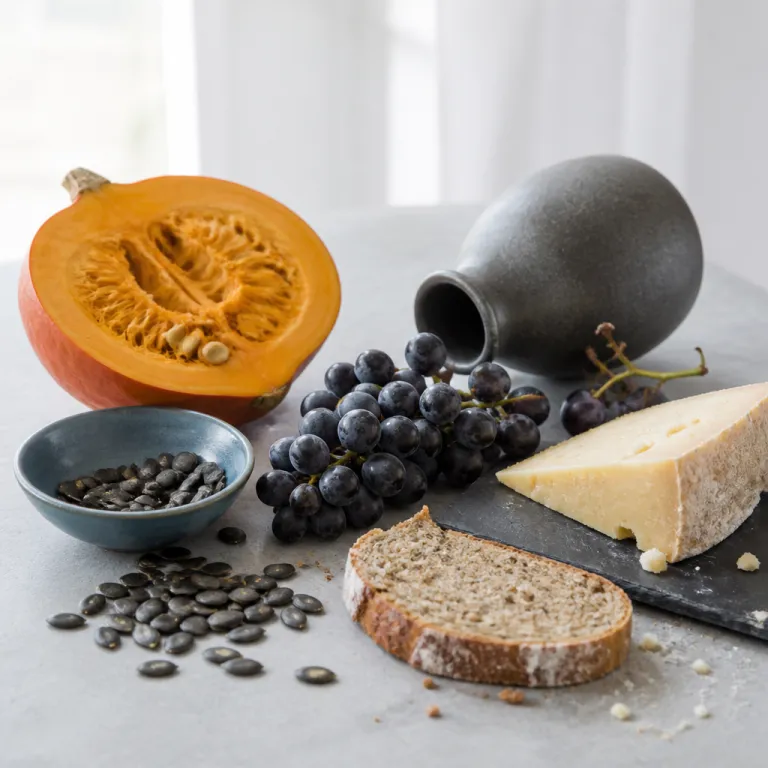
No ingredient symbolises Styria more than pumpkin seed oil, that inky green condiment pressed from roasted seeds. You will find it drizzled over salads, stirred into vanilla ice cream and even used in spa treatments at some rural hotel retreats. Tasting both the oil and the pumpkin seed itself at farm shops becomes a small ritual, one that connects you directly to the fields you drove past.
For couples arriving from the United States, a few travel tips help make the most of this region. Book key restaurants such as Weinbank and Geniesserei am Markt well ahead, especially during harvest when wine festivals and culinary events fill the calendar. Aim to reserve tasting menus at least a month in advance, confirm opening days directly with the property and let your hotel concierge double-check times in German.
When planning your route, alternate days on the Südsteiermark wine road with time in Graz or Vulkanland Steiermark. This balance keeps wine tasting fresh and lets you appreciate how different subregions express Styrian wine, from crisp sauvignon blanc in south Styria to more structured blends further east. It also means you can vary your hotel choices, from vineyard-facing suites to design-forward city rooms.
Above all, leave space in your itinerary for unplanned stops at local wine taverns and farm shops. Some of the most memorable glasses come from unheralded weingut courtyards where the owner still pours wines by the carafe. That is the essence of southern Styria’s ascent: excellence without noise, and a quiet table waiting at the end of a winding road.
FAQ
What is Styria best known for among food and wine travellers ?
Styria is best known for its white wines, especially sauvignon blanc from south Styria, and for its distinctive pumpkin seed oil used across local cuisine. Travellers also associate the region with intimate wine taverns, hillside weingut visits and a strong producer first culture. This combination makes the area particularly appealing for couples seeking depth rather than spectacle.
When should I plan a trip for wine tasting in southern Styria ?
The most atmospheric time for wine tasting in southern Styria is autumn, during the harvest period when vineyards are active and many festivals take place. Late summer also works well, with warm days, cooler evenings and fewer crowds on the wine road. Spring offers fresher temperatures and new vintage releases, though some smaller wine taverns may open on limited days.
Do I need a car to explore the Südsteiermark wine road ?
A car gives you the most flexibility on the Südsteiermark wine road, especially if you want to reach smaller weingut estates and viewpoints. Many luxury hotels can arrange private drivers or transfers between tastings, which is safer if you plan multiple wine flights. Without a car, base yourself near Gamlitz or Ehrenhausen and rely on taxis, hotel-organised shuttles and organised tours.
How does Styria compare to other Austrian wine regions like the Wachau ?
The Wachau centres on the Danube and focuses heavily on riesling and grüner veltliner, while Styria is more about sauvignon blanc and aromatic whites from hillside vineyards. Styria feels more rural and intimate, with smaller roads, forested slopes and closer contact with winemakers. For many travellers, combining both regions in one trip offers a clear sense of Austria’s diversity.
Can I combine wellness and gourmet dining in Styria ?
Many high end properties in Styria now pair serious kitchens with spa facilities and outdoor pools. You can spend the day between wine tasting, gentle hikes and treatments that sometimes even use local products such as pumpkin seed oil. This makes the region ideal for couples who want both culinary focus and restorative downtime in one itinerary.