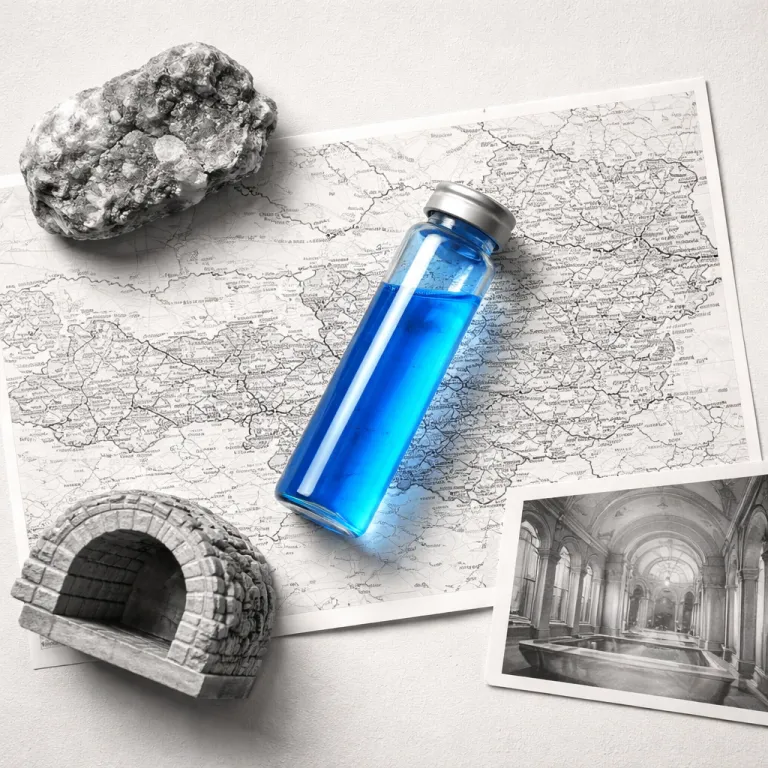
Austria thermal spa traditions that go far beyond wellness marketing
Austria’s thermal spa culture sits at a crossroads between medicine and leisure. Across the country, more than forty officially recognised thermal spas in Austria use mineral-rich hot springs for structured health programs and unhurried relaxation.[1] This mix of clinical precision and soft candlelit pools defines the Austrian thermal experience for serious travelers.
Locals still talk about the Kur, a medically supervised stay that uses thermal baths, sauna sessions and treatment spa routines to address chronic conditions. In this tradition, a thermal bath is not just a warm pool but part of a prescription that might also include steam rooms, Kneipp basins and supervised exercise in thermal pools. When you book spa hotels that still offer Kur programs, expect doctors on site, scheduled consultations and a rhythm that feels closer to a health retreat than a weekend day spa.
Running alongside Kur culture is the more familiar wellness spa model, where thermal resorts focus on sensory pleasure and design. Here, Austrian thermal hotels lean into dimmed lights, quiet relaxation area zones and private spa suites that feel made for solo reflection. Alpine wellness adds a third layer, combining thermal water with altitude, forest bathing and long hikes that end in outdoor pools steaming against snow-covered peaks.
For a solo traveler, this layered Austria thermal spa landscape is a gift because you can move between medical structure and free-form wellness in a single stay. One day might start with a physiotherapist-led session in a treatment spa pool and end with a silent saunagang in a panorama sauna above a valley. The next day, you might skip schedules entirely and drift between thermal baths, cold plunge pools and quiet reading corners until the last light fades.
How Austria’s thermal spas work for solo travelers
Traveling alone through spas in Austria can feel surprisingly effortless because the infrastructure is built for individuals, not only couples. Many spa hotels in Lower Austria and Upper Austria still offer reasonably priced single rooms, and hotel guests are rarely pushed toward couples’ packages or romantic clichés. Communal sauna culture also means nobody blinks when you arrive solo at a therme reception or join an Aufguss ritual without a companion.
In practical terms, an Austria thermal spa visit usually starts with a day ticket priced in EUR, which gives access to pools, sauna zones and relaxation area lounges. You can then add à la carte treatments in the treatment spa wing, from classic massages to medical check-ups in more clinical Austrian thermal resorts. If you are staying in connected hotels, your room key often doubles as your locker key and payment device, so you can roam between baths, aqua zones and restaurants without carrying a wallet.
Solo travelers benefit from the clear zoning that most thermal spas in Austria follow. The main thermal pools and family-friendly water slides sit in one area, while textile-free sauna complexes, steam rooms and quiet thermal baths occupy another. Look for signage that marks Ruhebereich, or quiet zones, where phones are discouraged and whispering is the norm, which is ideal when you want deep relaxation without social pressure.
For a deeper dive into refined wellness properties, our guide to Austria wellness luxury hotels and spa experiences maps out which spa hotels lean more medical and which feel more resort-like. As you compare options, pay attention to whether the therme is attached directly to the hotel or reached via a short walkway, because that detail shapes how spontaneously you can slip into the water. If you value quiet mornings, choose hotels that offer early access to the thermal spa, when pools are almost empty and the only sound is water echoing under the dome.
Aufguss rituals, textile free zones and real Austrian sauna etiquette
The first cultural hurdle in any Austria thermal spa is the sauna, where textile-free rules are standard rather than edgy. In most Austrian thermal complexes, you enter the sauna area without swimwear, carrying only a towel and sometimes a robe between cabins. This applies equally to classic dry sauna rooms, herbal cabins and many steam rooms, which can surprise visitors from the United States or United Kingdom.
Aufguss is the theatrical heart of sauna culture in spas across Austria, and it is worth understanding before you join. At set times, a sauna master pours scented water over the hot stones, then uses a towel to circulate the steam in choreographed waves around the room. The heat spikes, music might play softly and the session usually lasts between eight and fifteen minutes, with hotel guests and day visitors sitting shoulder to shoulder in respectful silence.
Etiquette is simple but strict in top thermal resorts, especially in regions like Upper Austria and Lower Austria where local regulars dominate. Arrive a few minutes early, place your towel fully under your body, and stay until the end unless you feel unwell, in which case a quiet exit is always acceptable. Talking is frowned upon, phones are banned and cold showers or plunge pools afterward are considered part of the ritual, helping your circulation adapt to the intense thermal shift.
Some Austria thermal spa complexes offer women-only Aufguss sessions or smaller private spa cabins, which can ease the textile-free adjustment for solo travelers. If you prefer a gentler entry, start with a milder bio sauna or herbal steam before attempting the hottest cabins. Our in-depth look at Austria’s best spa hotels and wellness rituals lists properties where staff are particularly good at guiding first-timers through these customs.
Three standout thermal stays: alpine, valley and urban
For an alpine immersion, the Aqua Dome in Tyrol is the obvious starting point, and its name is not an exaggeration. This vast Aqua Dome complex spreads across roughly fifty thousand square metres, with three elevated outdoor pools that hover above the valley like glowing saucers.[2] At night, you float in steaming thermal pools while snow-dusted peaks frame the sky, and the contrast between cold air and hot water feels almost unreal.
The connected hotel at Aqua Dome is built for hotel guests who want to live in a robe, moving between room, therme and restaurant without stepping outside. Inside, you find a full thermal spa with indoor pools, a generous sauna area, steam rooms and quiet lounges that look straight onto the Ötztal mountains. Solo travelers can spend an entire day cycling between thermal baths, reading corners and treatment spa rooms, then end with a late saunagang under the stars.
In the rolling hills of Styria, Rogner Bad Blumau offers a completely different Austria thermal experience, designed by Friedensreich Hundertwasser as a livable artwork. Here, the thermal bath architecture curves and undulates, with grass-covered roofs, irregular windows and colorful tiles that turn every corridor into a visual surprise. The thermal water itself feeds multiple pools and thermal baths, some quiet and cave-like, others open to the sky, and the whole complex feels like a village built around springs.
Urban travelers should look to Vienna and Graz, where spa hotels integrate smaller but carefully curated thermal spas into city stays. You might spend the day in museums and opera houses, then retreat to a rooftop pool, compact sauna area and intimate private spa suite that feels worlds away from the streets below. For a broader overview of how these properties compare, our editorial guide to the best luxury hotel booking options in Austria highlights which hotels offer genuine Austria thermal facilities rather than just a token whirlpool.
Radon caves, medical Kuren and how to book like an insider
Austria’s thermal spa culture has a quietly radical side that wellness marketing rarely shows, and Bad Gastein is its most striking example. Here, the Gasteiner Heilstollen radon galleries use warm, slightly radioactive air to treat conditions such as ankylosing spondylitis under medical supervision.[3] This is Kur medicine at its most uncompromising, with timed sessions deep inside the mountain, strict protocols and doctors who treat the thermal environment as a therapeutic tool rather than a backdrop.
Elsewhere, Austrian thermal resorts in regions like Burgenland and Carinthia focus more on musculoskeletal issues, using thermal baths, underwater physiotherapy and structured exercise in thermal pools. Many of these spas in Austria work closely with health professionals and local tourism boards, blending traditional Kur methods with modern diagnostics and rehabilitation techniques. For solo travelers, this can mean combining a medical check-up in the morning with a lazy afternoon in a day spa wing, where the same water is used purely for relaxation.
When planning, remember that “Number of thermal spas in Austria” is currently listed as “40 spas” by Austria’s national tourism board,[1] which gives a sense of how dense the network has become. Official guidance also notes that “stress reduction, improved circulation, and muscle relaxation” are among the key health benefits, and that “Yes, most operate throughout the year,” so you can plan an Austria thermal trip in any season.[1] Finally, authorities consistently advise that “Do I need to book treatments in advance? It’s recommended to ensure availability,” which is especially true for peak weekends and popular day spa slots.
From a booking perspective, look for flexible day ticket options in EUR that include both water worlds and sauna complexes, because splitting them often costs more. If you are staying in connected hotels, check whether access to the therme is included or discounted, and whether there are separate quiet zones reserved for hotel guests. Serious wellness travelers should also ask about medical staff on site, the mineral composition of the thermal water and whether any top thermal programs, such as fasting weeks or sports diagnostics, are running during their stay.
Radon therapy and intensive Kuren are not suitable for everyone. People who are pregnant, have certain cancers, severe cardiovascular disease or uncontrolled respiratory conditions are typically advised against Gasteiner Heilstollen sessions, and all guests must complete a medical screening before starting treatment.[3] Always discuss risks, contraindications and alternative options with a qualified physician before booking medical spa packages.
Regional map: where to go for which kind of thermal experience
Thinking about Austria thermal spa options as a map of regions helps you choose the right stay for your mood. In Lower Austria, certified resorts such as Therme Laa and Linsberg Asia lean toward calm, design-forward spaces with generous sauna areas and quiet pools that suit solo travelers who want structure without intensity. Upper Austria, by contrast, mixes family-friendly aqua parks with more serious Austrian thermal complexes, so reading the fine print on textile-free zones and Ruhebereich policies matters.
Styria is the spiritual home of long-stay Kuren, with places like Bad Waltersdorf and Bad Blumau offering weeks-long programs that combine thermal baths, medical consultations and regional cuisine. Rogner Bad Blumau in particular has become a reference point for travelers who want architecture, art and thermal water in one coherent experience, with multiple thermal pools, saunas and steam rooms spread across a landscape of domes and grassy roofs. Burgenland and Carinthia add lakeside twists, where you can alternate between freshwater swims and warm thermal spas in a single day.
Tyrol and Salzburg are where alpine wellness and Austria thermal traditions overlap most dramatically. Aqua Dome in the Ötztal valley remains the flagship, but smaller spa hotels across the region offer intimate private spa suites, compact therme zones and direct access to hiking trails that turn every day into a nature immersion. In these properties, the line between treatment spa, mountain excursion and slow food dinner blurs into one continuous, carefully paced ritual.
Wherever you go, the pattern repeats: thermal water, thoughtful architecture and a culture that treats relaxation as a serious practice rather than an indulgence. For solo travelers, that means you can arrive with a simple day ticket and still tap into a tradition shaped by doctors, architects and generations of Austrian thermal regulars. Choose your region, decide how medical or meditative you want your stay to be, then let the pools, saunas and quiet rooms do the rest.
FAQ about Austria’s thermal spas and wellness hotels
Are Austrian thermal spas open throughout the year ?
Most Austria thermal spa complexes operate year-round, with only occasional maintenance closures. Mountain resorts may adjust outdoor pool hours in extreme weather, but indoor thermal baths and sauna areas usually remain open. Always check specific opening times for each therme before you travel.
What health benefits can I expect from thermal water ?
Mineral-rich thermal water in Austrian thermal resorts is associated with stress reduction, improved circulation and muscle relaxation.[1] Many treatment spa programs also target joint mobility, skin conditions and post-injury recovery under professional supervision. Effects vary by individual, so medical advice is recommended for serious conditions.
Do I need to book spa treatments in advance ?
Booking ahead is strongly recommended for massages, medical consultations and private spa suites, especially on weekends and holidays. While some day spa slots remain available for walk-ins, popular time windows often sell out quickly. Hotel guests should reserve treatments when confirming their room to secure preferred times.
How does textile free sauna culture work in Austria ?
In most spas in Austria, sauna and many steam rooms are textile-free zones where guests use towels instead of swimwear. Mixed-gender spaces are standard, and respectful silence is expected during Aufguss rituals and saunagang sessions. If you feel unsure, staff at spa hotels will explain the rules and suggest gentler options such as women-only areas.
Is a day ticket enough, or should I stay overnight in a spa hotel ?
A day ticket in EUR gives a good first taste of Austria thermal facilities, especially if you focus on pools, sauna areas and a single treatment. Staying overnight in connected hotels, however, allows early morning and late evening access when thermal pools are quietest. For deeper relaxation, many solo travelers find that two or three nights in dedicated spa hotels make a noticeable difference.