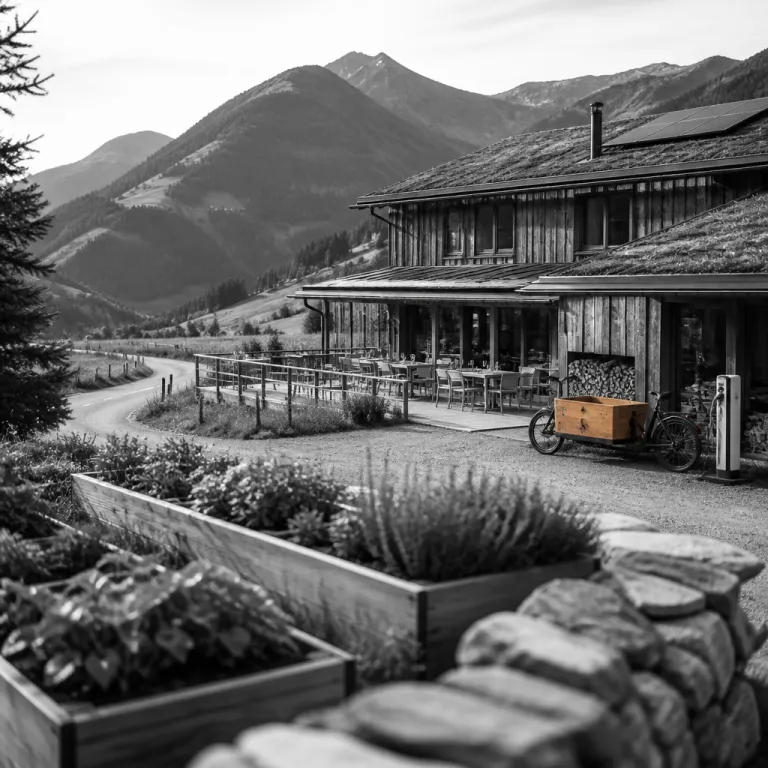
Why Austria leads the way in sustainable restaurant hotels
Austria has quietly become a benchmark for eco-conscious food and lodging, with many sustainable restaurant hotels appealing to discerning travelers. Across the country, hotels and restaurants are aligning gastronomy with environmental responsibility, and the Michelin Green Star now sits alongside traditional ratings as a serious marker of quality. For families planning holidays that are sustainable in spirit yet indulgent in practice, this shift changes how you choose both a hotel and a table.
The Michelin Green Star is an award for restaurants with outstanding sustainable practices, while hotel eco labels such as the Austrian Eco Label or certifications for a sustainable hotel measure broader environmental performance. A Green Star focuses on how organic cuisine is sourced, how food waste is handled and how closely chefs work with local producers, whereas hotel labels examine energy systems, water use, cleaning products and the overall sustainability system. When a property holds both, you know that sustainability and high quality hospitality are embedded from the kitchen to the guest room rather than added as marketing.
Across hotels throughout Austria, this dual focus is increasingly common, especially where tourism is deeply tied to the surrounding landscape. In Tyrol and other alpine regions, a sustainable restaurant hotel experience often means timber architecture, green electricity and menus built around nearby organic farm partners. For premium family travelers, the result is simple: you can book places that feel genuinely eco friendly and environmentally responsible without sacrificing comfort, service or a sense of occasion.
Green Stars versus eco labels: what they really tell families
Families comparing sustainable stays in Austria quickly notice two parallel languages: Michelin Green Stars and hotel eco certifications. They are related but not interchangeable, and understanding the difference helps you read between the lines of glossy sustainability claims. Michelin looks at the restaurant, while labels such as the Austrian Eco Label or regional schemes like “Tiroler Umweltzeichen” focus on the entire hotel system.
When a chef earns a Green Star, inspectors are rewarding traceable sourcing, close relationships with local organic farm suppliers and a long term commitment to sustainability. The official guidance is clear: “What is a MICHELIN Green Star?” and the answer is equally direct: “Award for restaurants with outstanding sustainable practices.” By contrast, a sustainable hotel certification in Austria examines whether green electricity is used, whether electric charging stations are available for guests and how the building handles waste, water and heating.
For a premium family, the sweet spot is a hotel in Tyrol or elsewhere that combines both approaches in one coherent philosophy. You want properties where organic cuisine in the dining room is matched by environmentally friendly housekeeping, eco friendly spa products and a building constructed from local wood. To go deeper into how this plays out across regions and price points, look for recent assessments from the Michelin Guide and Austria’s national tourism organisation, which highlight which hotels across the country are genuinely sustainable and which are still catching up.
From vegan fine dining to bio hotels: how deep does sustainability go ?
In Vienna, JOLA signalled a turning point for every sustainable restaurant hotel Austria can now benchmark against. As one of Austria’s first vegan restaurants to hold both a Michelin star and a Green Star, it shows that plant based fine dining can sit comfortably at the top table of European gastronomy. For families, it proves that sustainable and organic cuisine does not have to mean rustic or worthy; it can be urbane, creative and quietly luxurious.
Outside the capital, properties such as Biohotel Schwanen in Vorarlberg, Genießerhotel Die Forelle on Lake Weissensee, Das Traunsee in Upper Austria and Bärenwirt in Salzburg province show how bio hotels integrate gastronomy and sustainability in rural settings. These hotels use regional products, work closely with local people and farmers and often operate their own organic farm or kitchen garden to keep menus seasonal. Many of these country hotels are built or renovated with local wood, run on green electricity and offer electric charging points, so the sustainable hotel experience extends from the plate to the parking area.
Independent reports on eco luxury hotels in Austria from tourism boards and regional hotel associations explore how these bio hotels balance high quality service with strict sustainability standards. You will find examples where the sound of music is not a cliché but the backdrop to a dining room overlooking a fresh mountain lake or a wide Tyrolean valley. For a family, the question becomes not whether to choose a sustainable hotel, but which version of sustainability — vegan urban tasting menus, lakeside organic cuisine or alpine bio hotels — best fits your holidays’ sustainable ambitions.
Where sustainability is structural, not performative
Some properties go far beyond token gestures, setting a new bar for what a sustainable restaurant hotel in Austria can be. Hotel Lürzerhof in Salzburg province, for example, reports that it operates as climate positive by generating more energy than it consumes through its own hydroelectric system. That kind of infrastructure level commitment matters more than a few recycled menus or a token organic dish.
In Tyrol, Stanglwirt near Kitzbühel has become a reference point for families seeking a hotel stay that feels both traditional and forward looking. The property is a certified biohotel, and every new building phase meets high quality sustainability criteria, from energy efficient construction in local wood to extensive use of green electricity. Stanglwirt also integrates its own organic farm into daily operations, so guests see how milk, meat and vegetables move from field to table within a tightly managed sustainability system.
Other alpine hotels across Austria are following similar paths, investing in geothermal heating, advanced water treatment and comprehensive waste reduction alongside organic cuisine in their restaurants. Many now offer on site electric charging stations, making it easier for guests to arrive in electric vehicles and keep their holidays sustainable from door to door. If you are planning a road trip through the Arlberg and surrounding mountain passes, regional ski and travel guides highlight which hotels combine structural sustainability with serious comfort.
Family first: sustainable hotels that genuinely welcome children
Parents often worry that an eco certified hotel or Green Star restaurant will feel too earnest or adult focused for children. The reality on the ground is more nuanced, and some of the most committed sustainable hotel operators are also the most family friendly. In Tyrol and other alpine regions, hoteliers understand that long term sustainability depends on engaging the next generation of guests.
Look for hotels where children are invited into the story of sustainability rather than treated as an afterthought. At properties like Stanglwirt and several other bio hotels, kids can visit the organic farm, meet animals and see how food moves from pasture to plate in a way that makes sustainability tangible. Many hotels around Austria now offer nature based kids’ clubs, guided walks to fresh mountain streams and low impact activities that replace screen time with real world exploration.
From a practical perspective, families should check whether a sustainable hotel offers flexible dining times, child friendly versions of organic cuisine and rooms large enough for a family without over consuming space. Ask about green electricity use, eco friendly cleaning products and whether the hotel provides clear information rather than forcing you to skip content buried in technical reports. When a property can explain its sustainability system in plain language to both adults and children, you know the commitment runs deeper than marketing.
Costs, regional patterns and how to choose your route
One persistent question around any sustainable restaurant hotel itinerary in Austria is cost. In some cases, farm to table organic cuisine can be more affordable because chefs work directly with local producers and reduce intermediaries. In other cases, especially at Michelin starred level, the labour and time required to maintain high sustainability standards can push prices above conventional fine dining.
Regionally, Green Stars and serious sustainable hotel projects are no longer confined to Vienna or Salzburg. Rural Austria, particularly Tyrol and Vorarlberg, now hosts a dense network of bio hotels and Green Star restaurants that anchor tourism in local communities. This spread means families can plan holidays that are sustainable in both environmental and economic terms, directing their spending toward people and systems that keep villages alive year round.
When choosing your route, map out where hotels with electric charging points, green electricity and clear sustainability certifications sit relative to your preferred mountain passes or lakes. Consider whether you want the cultural intensity of an Austrian city with cutting edge sound and music scenes, or the slower rhythm of a Tyrolean valley where wood smoke and cowbells set the soundtrack. Either way, prioritise hotels across Austria that treat sustainability as sustainable development — a long term balance between environment, community and the comfort of guests — rather than a short term trend.
Key figures behind Austria’s sustainable restaurant hotels
- Austria currently counts several dozen Michelin Green Star restaurants, a high density relative to its size and a clear signal that sustainable gastronomy is embedded across the country (based on recent data from the MICHELIN Guide for Austria, 2023–2024 editions).
- More than one hundred certified sustainable accommodations operate in Austria, showing that eco friendly and environmentally friendly stays are now available in every major tourism region (according to Austria’s national tourism organisation and the Austrian Eco Label registry).
- Recent Michelin assessments note that Austrian restaurateurs are “blazing an exemplary trail” in sustainability, underlining how the sustainable restaurant hotel model in Austria is influencing wider European hospitality.
- New Green Star awards in recent guide editions indicate steady growth in sustainable hotel and restaurant practices, with more properties integrating organic farm partnerships, green electricity and electric charging into daily operations.
FAQ: sustainable restaurant hotels in Austria
What is a MICHELIN Green Star and how does it relate to hotels ?
A Michelin Green Star is awarded to restaurants with outstanding sustainable practices, focusing on sourcing, waste management and environmental impact. It does not certify the hotel itself, but many Green Star restaurants sit inside hotels that also hold eco labels such as the Austrian Eco Label. When both are present, you can expect a coherent sustainability system from kitchen to guest room.
How can I identify a genuinely sustainable hotel in Austria ?
Look for recognised certifications such as the Austrian Eco Label, regional schemes like Tyrol’s environmental quality labels and membership in bio hotels networks. Check whether the hotel uses green electricity, offers electric charging stations, works with local organic farm partners and communicates its sustainability policies clearly. Properties such as Stanglwirt, Biohotel Schwanen and Genießerhotel Die Forelle are strong reference points.
Are there eco friendly luxury hotels in Austria that welcome families ?
Yes, many sustainable hotel options in Austria are explicitly designed for family stays. In Tyrol and other mountain regions, hotels combine high quality wellness facilities with child friendly activities linked to nature and local culture. These properties typically offer organic cuisine adapted for children, spacious rooms and programmes that help young guests understand sustainability in a playful way.
Does sustainable dining in Austria always cost more ?
Not always; pricing depends on the concept and level of service. At Michelin Green Star restaurants, the labour and precision involved in sustainable sourcing can carry a premium compared with conventional fine dining. In rural hotels across Austria, however, close relationships with local producers and efficient use of seasonal ingredients can keep prices competitive while maintaining the highest quality.
Is sustainability in Austrian hotels mostly urban or rural ?
Both city and rural regions now host serious sustainable restaurant hotel experiences, but the patterns differ. Cities like Vienna lead in concepts such as vegan fine dining, while rural Tyrol, Vorarlberg and lake regions focus on bio hotels, organic farms and timber architecture in local wood. For travelers, this means you can design holidays that are sustainable in either an urban cultural context or a slower paced mountain setting.