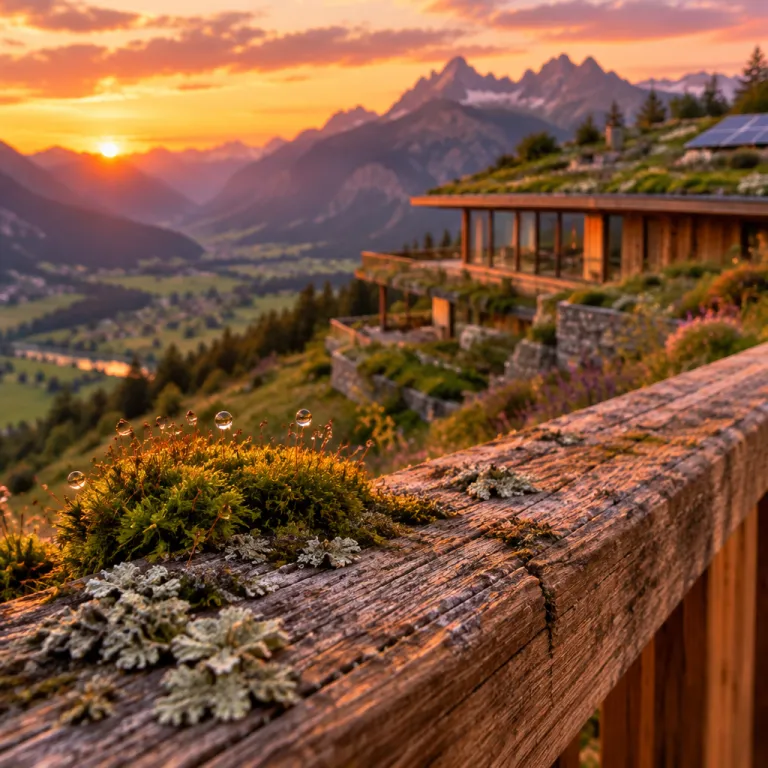
World Tourism Day in Austria: where luxury meets responsibility
World Tourism Day lands just as the first cold air brushes the Austrian Alps. For solo travelers planning sustainable luxury hotels in Austria, this moment invites a sharper question than any marketing slogan about green hospitality. Can a five star hotel in austria really offer luxury, wellness and sustainability without asking guests to sacrifice comfort ?
Across the country, leading luxury hotels in Austria are treating sustainability as infrastructure rather than ornament. Many hotels in austria now run on high shares of renewable energy, use thick layers of local wood for insulation and design long lived buildings that age gracefully instead of being rebuilt every decade. When you book a hotel in austria this season, the most meaningful choice is not the thread count but whether the property’s energy, water and food systems are genuinely sustainable.
Look first at how a sustainable hotel handles energy and heat in the austrian alps. Properties that publish clear data on renewable energy use, waste reduction and water treatment usually have deeper sustainability programs than those that only mention a green spa or organic breakfast. If a hotel claims to be eco friendly, ask whether it uses district heating, heat pumps or hydropower, and whether its spa resort pools and wellness facilities are insulated to reduce heat loss.
Food is the second pillar of credible sustainability in luxury hotels. In austria europe, the most serious nature hotels work with nearby farmers, pay fair prices and credit them openly on menus instead of hiding behind vague “regional” labels. When a wellness hotel talks about organic ingredients, you should see the names of specific organic farm partners, not just a generic promise of local sourcing.
Reading ecolabels and green claims without getting greenwashed
Labels can help, but only if you know how to read them in the context of sustainable luxury hotels austria. The Austrian Ecolabel and the EU Ecolabel both require audited performance on energy, water, waste and cleaning products, while the Green Star system focuses more on gastronomy and sourcing. When a hotel in austria lists several certifications, check whether they cover the whole property or only the restaurant, spa or conference wing.
For solo travelers planning to austria explore by rail, certifications are a useful filter but never the final word. A property that highlights its Austrian Ecolabel yet still promotes daily linen changes and energy intensive wellness rituals without opt outs is not fully aligned with low impact travel. Before you book, read at least one independent review, then compare it with how the hotel describes its sustainability and wellness story on its own site.
Some of the most convincing examples of sustainable hotel practice appear in rural regions such as Vorarlberg and Tyrol. In Vorarlberg, several nature hotels and the quietly influential biohotel schwanen in Bizau combine traditional wood architecture, organic cuisine and long term staff retention into a coherent sustainability narrative. Our guide to green stars and local roots in Austria’s sustainable restaurant hotels highlights how these properties turn certifications into daily practice rather than marketing copy.
In Tyrol, long established addresses such as stanglwirt and naturhotel forsthofgut have built reputations on combining ski access, wellness and sustainability. When you compare these hotels ski options, look beyond the slopes to how each hotel tyrol property manages transport, snowmaking energy and off season operations. A truly sustainable luxury hotel in austria europe will talk openly about the tension between ski tourism and climate goals, instead of pretending that a single green spa treatment offsets everything.
Where luxury and low impact genuinely align in the Austrian Alps
The most interesting shift in sustainable luxury hotels austria is not about bamboo toothbrushes. It is about how high end hotels in austria are redesigning space, materials and services so that luxury and low impact reinforce each other instead of competing. When you walk into a new generation spa resort in the austrian alps, the quiet comfort often comes from thick stone walls, untreated wood and natural ventilation rather than energy hungry air conditioning.
Architecture is doing much of the heavy lifting for sustainability in these hotels. In Vorarlberg, several nature hotels use timber from nearby forests, triple glazing and deep roof overhangs to keep rooms cool in summer and warm in winter with minimal energy. Properties featured in our report on climate neutral hotels that run on geothermal wells and glacier water show how renewable energy can underpin both wellness and comfort.
Wellness itself is being rethought in austria europe, especially for solo travelers who value quiet over spectacle. Instead of vast, brightly lit pool halls, some wellness hotel pioneers are creating smaller, low light green spa zones that use less water and energy while feeling more exclusive. When you compare spa resort options, ask whether saunas are heated continuously or in timed blocks, and whether outdoor pools are genuinely necessary year round.
Food and drink are another area where sustainable and luxury can align elegantly. Hotels austria that run their own organic farm or work closely with one nearby can offer shorter, more seasonal menus that feel curated rather than limited. The best examples credit specific producers, explain why certain ingredients are absent in shoulder seasons and invite guests to taste the landscape rather than a generic international buffet.
How a solo traveler can choose credibly sustainable luxury in Austria
For a solo explorer planning sustainable luxury hotels austria, the booking process is your strongest sustainability tool. Start by shortlisting hotels in austria that publish clear sustainability reports, list their certifications and explain how they use renewable energy in plain language. Then look for details about staff training, long term employment and how the property supports its local community beyond simple charity.
Location matters as much as labels when you austria explore on your own. A hotel schloss near a main rail line or tram stop in salzburg austria will usually have a lower transport footprint than a remote chalet that requires multiple transfers. In Vienna, a central address such as the Hotel Royal, which we review in depth in our guide to refined city stays with easy transit access, can be a smarter choice than a car dependent resort on the outskirts.
Inside the room, small choices add up without feeling puritanical. Declining daily cleaning, skipping single use amenities and choosing plant forward dishes in the restaurant all reduce impact while keeping the experience firmly in the luxury space. When a property invites guests to travel by train, offers credit for longer stays and designs wellness programs that respect both nature and staff, you are seeing sustainability woven into the hotel’s core rather than added as decoration.
Finally, pay attention to how a hotel talks about family travel, ski seasons and nature access. A responsible hotel tyrol or spa resort in Vorarlberg will acknowledge the pressure that hotels ski operations place on fragile alpine ecosystems and explain how they are adapting. The most trustworthy nature hotels treat the surrounding nature as a partner, not a backdrop, and they welcome solo guests into that relationship with clear, honest information.
FAQ
How can I tell if a luxury hotel in Austria is genuinely sustainable ?
Look for audited certifications such as the Austrian Ecolabel or EU Ecolabel, then read how the hotel explains its energy, water and sourcing practices in detail. A genuinely sustainable hotel will publish specific information about renewable energy use, waste reduction and partnerships with local producers. If the sustainability page only mentions towel reuse and a green spa, the commitment is probably shallow.
Are ski hotels in the Austrian Alps compatible with low impact travel ?
Ski focused hotels in austria face a real tension between snow dependent tourism and climate goals. The most responsible hotels ski operators reduce artificial snowmaking, invest in efficient lifts and encourage guests to arrive by train instead of rental cars. When you compare properties, prioritise those that talk openly about these trade offs and show clear plans to cut emissions.
Do eco friendly luxury hotels in Austria still feel indulgent for solo travelers ?
Yes, many sustainable luxury hotels austria now deliver high comfort with lower impact. Expect quiet rooms built with natural wood and stone, refined organic cuisine and spa areas that focus on quality rather than size. For solo guests, these places often feel more personal and calm than traditional grand hotels.
Is it better to stay in cities or mountains for a greener trip to Austria ?
Cities such as Vienna and Salzburg Austria offer excellent public transport, so central hotels can mean fewer emissions from daily travel. Mountain regions like Tyrol and Vorarlberg host some of the most advanced nature hotels, but reaching them may require longer journeys. A balanced itinerary might combine a rail based city stay with a single, longer stop in the austrian alps rather than several short hops.
What questions should I email a hotel before booking a sustainable stay ?
Ask how much of their energy comes from renewable sources, whether they work with specific organic farm partners and how they support local staff year round. You can also request details on water use in the spa, transport options from the nearest station and any incentives for longer, car free stays. Hotels that answer clearly and promptly usually have stronger sustainability cultures than those that send generic marketing replies.