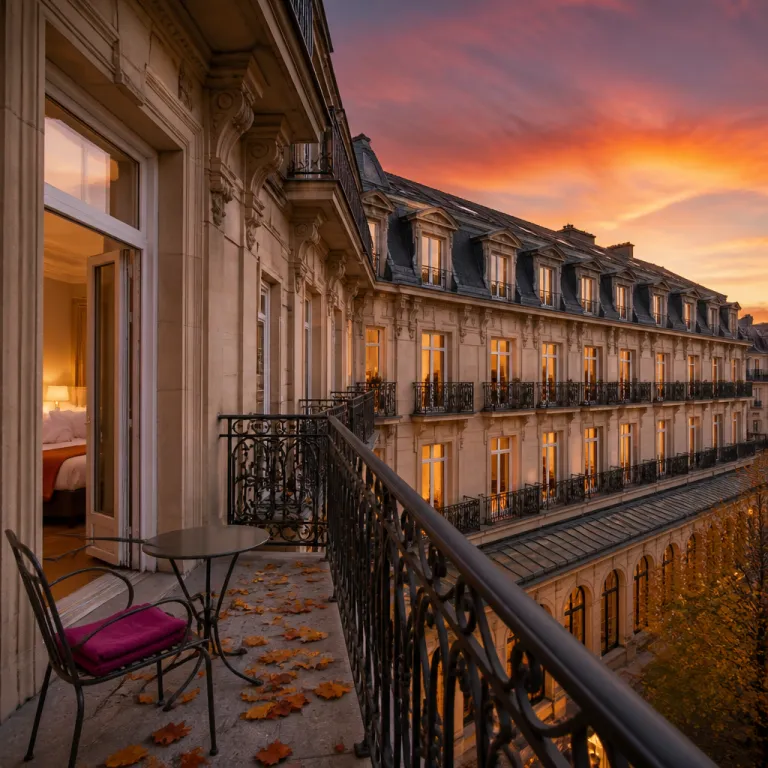
Vienna autumn demand shock: why grand hotels suddenly have space
Vienna is heading into autumn with an unexpected shift in its luxury hotel landscape. A collapse of around 80 percent in overnight stays from Gulf Cooperation Council (GCC) markets, reported in preliminary 2024 source-market figures from the Vienna Tourist Board (January–May 2024 update), has left even the most prestigious hotels in the city recalibrating their booking strategies and room categories for the coming golden autumn. For travelers planning a luxury stay in Vienna, this disruption quietly changes how and where you can stay in the city during the key September–October window.
The broader decline in arrivals from crisis-affected regions, estimated at roughly 15 to 20 percent by analysts working with the Austrian Hotel Association, sits alongside an overall rise in visitors: Vienna recorded about 9.3 million overnight stays in the first half of the year, according to the Vienna Tourist Board’s “Tourism in Vienna 2024: January–June report”. The apparent contradiction reflects a shift in guest mix rather than a collapse in total demand. In practice, this means that travelers from Europe and the United States suddenly find availability at palace-style properties that previously required waitlists for a single room in peak Vienna autumn periods.
The financial impact explains why the atmosphere Vienna hoteliers describe feels tense behind the polished lobby marble. As hotel owner Sonja Wimmer of The Harmonie Vienna noted in a 2023 interview on guest spending patterns (widely cited in Austrian hospitality trade coverage), visitors from the United Arab Emirates historically spent around 530 euros per day, compared with about 179 euros for European guests, meaning roughly three European visitors were needed to offset one Gulf guest in revenue terms. Association president Alexander Ipp has warned that this spending gap, combined with the steep fall in Gulf visitors to Vienna, forces every luxury hotel in the city to rethink its category mix, from entry-level rooms to top suites, to stabilise revenue through autumn Vienna and beyond.
What this means for your autumn Vienna luxury stay and booking strategy
For couples eyeing Vienna luxury hotels in autumn as a romantic escape, the immediate effect is clear: the city’s grand hotels are more open to flexible booking patterns and shorter lead times. Where a palace-style luxury hotel on the Ring once demanded three-night minimums during cultural highlights, you now see one- or two-night gaps released, especially in higher room categories that Gulf travelers traditionally favoured. This creates a rare chance to stay in Vienna landmark properties with a level of choice that simply did not exist in previous golden autumn seasons.
Rates are not collapsing, but they are softening at the top end, particularly for suites with views over the historic heart of the city and for connecting rooms that once catered to extended families from the Gulf. Couples who time their booking for late September or early October, between design week and the start of the first Christmas markets, often find added value in the form of complimentary breakfast, late check-out or upgraded room categories. Hoteliers, now targeting European and domestic markets, are also more willing to tailor packages around cultural events, from a film festival screening to a Vienna art exhibition opening, to secure a longer stay in the city.
The shift in guest mix subtly changes how you experience culture and heritage during a stay in Vienna. Public spaces in these hotels feel less dominated by large family groups and more by individual travelers and couples, which alters the night-time atmosphere in lobby bars and fine-dining rooms. This is the moment to pair a carefully chosen traditional wine from the outskirts of Vienna with a late coffee in one of the grand coffee houses, then walk back past the palace façades knowing that, for once, the city’s most storied hotels are courting you rather than the other way around. For in-depth restaurant intel, our review of Palais Rudolf’s restaurant in the Innere Stadt shows how top properties are reimagining dining to appeal to this new audience.
How to choose the right luxury hotel in Vienna’s golden autumn
Selecting among Vienna’s luxury hotels this autumn starts with clarifying which category of experience you want: imperial palace grandeur on the Ring, or contemporary Vienna design near the MuseumsQuartier. Many properties now highlight their room categories more transparently, from entry-level rooms ideal for a short city stay to signature suites designed for longer cultural immersions around major cultural events. When you compare options, look closely at how each hotel integrates culture, heritage and Vienna art into its design language, whether through curated photography, commissioned works or collaborations during design week.
Food and drink increasingly define the character of a luxury stay, especially as hotels compete harder for European and American travelers. Some properties foreground Viennese wine and traditional wine from nearby hills in their pairing menus, while others lean into coffee culture with in-house coffee houses that feel like modern salons for the historic heart city. Our report on Glasswing at The Amauris shows how a single Michelin-starred dining room can tilt the entire atmosphere of a property, turning a simple room booking into a full-scale gastronomic weekend.
Location still matters, especially in autumn Vienna when cultural highlights cluster across the city from the Wiener Stadthalle to the Ringstrasse museums and the first Christmas markets. If your itinerary leans toward a film festival at the Wiener Stadthalle or late-night concerts, choose a hotel with swift tram or taxi links rather than only palace views. Couples who want to balance urban culture with Alpine air can even pair a Vienna stay with a few nights in Tyrol; our guide to St Anton après ski elegance explains how to move from opera and coffee to mountain wine and late-night bars without sacrificing luxury at either end of the journey.
Practical tips for room booking, timing and on the ground experiences
When planning a stay in Vienna during the golden autumn, timing your booking is now less about panic and more about precision. With the sharp drop in Gulf visitors, you can often wait until late summer to secure a luxury hotel, but you should still lock in flexible cancellation terms in case flight schedules shift again. Aim to reserve your preferred room categories before major cultural highlights such as design week or a headline film festival, when the city briefly tightens again.
To turn this into an action plan, focus on three levers: timing, room type and likely extras. Late September to early October usually offers the best balance of availability and atmosphere; higher categories such as junior suites, connecting rooms and palace-view suites now show more last-minute gaps; and the most common value-adds are complimentary breakfast, late check-out, modest room upgrades and culture-linked packages tied to Vienna art or film events. Treat these elements as a quick checklist when you compare offers across Vienna luxury hotels.
On arrival, lean into the slower, more local rhythm that now defines Vienna autumn stays. Spend an afternoon in historic coffee houses, then move to a wine-focused bar that showcases Viennese wine and traditional wine from the surrounding hills, turning a simple night out into a compact tasting tour of the region. Many hotels now curate small-scale cultural events in-house, from chamber concerts to Vienna art talks, as they pivot from volume-driven Gulf business to more experience-focused European and American travelers.
Finally, remember that this is a structural test for Vienna’s hospitality scene, not just a passing headline. Industry summaries of recent seasons emphasise three core points: Middle East conflict and rerouted long-haul flights have led to travel cancellations from Gulf markets; Vienna hotels are coping with the decline by targeting European and domestic guests; and the financial impact on luxury properties is significant because replacement visitors typically spend less per day. For you as a guest, that translates into rare access to the city’s most storied hotels, a richer mix of culture and heritage programming, and a chance to experience the evolving atmosphere of a world capital recalibrating itself in real time.
Sources
Vienna Tourist Board – official statistics on overnight stays and source markets (e.g. “Tourism in Vienna 2024: January–June report” and January–May 2024 GCC source-market update).
Austrian Hotel Association – public statements and interviews with president Alexander Ipp on demand shifts and revenue impacts.
Press and interview coverage featuring Sonja Wimmer of The Harmonie Vienna on comparative guest spending and market dependence (notably 2023 Austrian hospitality trade interviews on UAE versus European daily spend).