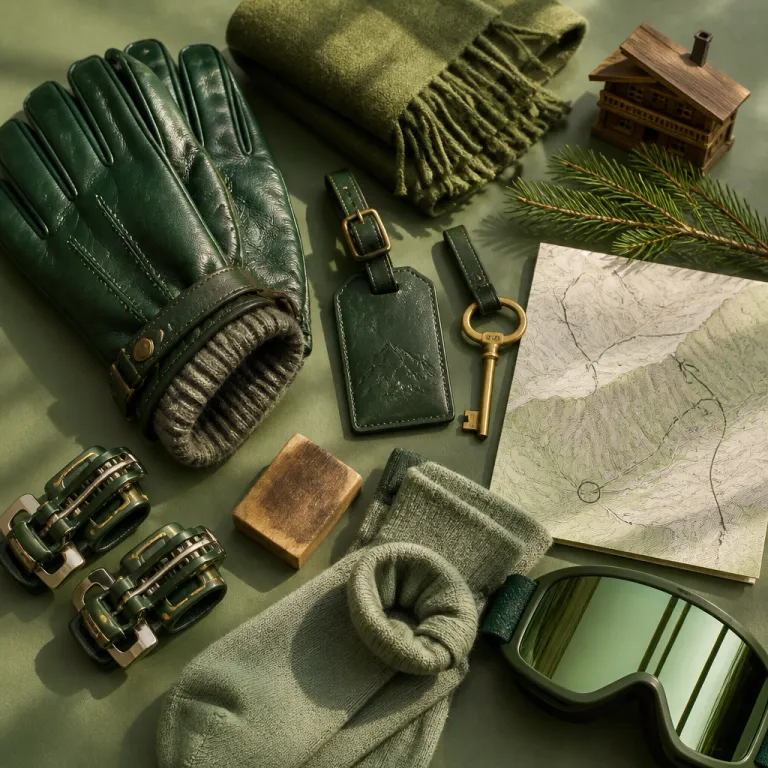
Alpine elegance on the best ski slopes in Austria
The best ski slopes in Austria combine grand alpine scenery with refined hospitality. On a luxury ski holiday, you want a ski resort where lifts are fast, snow reliability is proven, and service feels effortless. In this guide, we focus on how premium hotels and resorts in Austria turn great snow into a seamless high end escape, and we highlight verifiable facts so you can compare options with confidence.
Ski Arlberg stands out as the largest connected ski area in Austria, and its 302 km of pistes place it among the best ski destinations in Europe (Ski Arlberg, official statistics). This ski resort links St. Anton, Lech, Zürs, Warth, and Schröcken with a sophisticated network of lifts and cable cars that advanced skiers and confident intermediates appreciate. For travelers comparing ski resorts across Europe, this region offers a rare mix of challenging terrain, elegant hotels, and polished service, with village altitudes around 1,300–1,450 m and top lift stations above 2,800 m.
Ischgl, in the Paznaun valley, is renowned for extensive terrain and vibrant après ski, and it attracts skiers who want long days on the slope followed by lively evenings. Official figures from resort operators confirm that Ischgl’s total piste length reaches about 239 km (Ischgl tourism data), while Ski Arlberg offers roughly 302 km and Kitzbühel around 234 km (Kitzbühel Bergbahn figures). These statistics help luxury travelers compare details between resorts and choose where to invest in a high value ski holiday, especially when combined with practical details such as Ischgl’s base altitude of about 1,377 m and summit heights close to 2,872 m.
Families with children often look for gentle areas with excellent ski schools and convenient lift and cable connections between villages. Obergurgl in Tyrol is widely recommended for beginners, and official descriptions highlight that Obergurgl offers gentle slopes ideal for first time skiers (Obergurgl tourism). When you filter Austrian resorts on a premium booking website, look for clear details about ski schools, kids’ clubs, and snow parks designed for younger skiers, as well as transfer times from airports such as Innsbruck, Salzburg, or Munich.
For travelers who value culture as much as carving turns, combining a few days on the best ski slopes in Austria with a stay in the Wachau valley can be rewarding. A refined property such as the Steigenberger Hotel & Spa Krems, presented as a refined Wachau escape above the Danube, pairs well with a ski trip that starts or ends near Vienna. This kind of itinerary lets you enjoy both alpine snow and riverside spa indulgence in one carefully planned journey, with many travelers flying into Vienna International Airport and then continuing by rail or private transfer.
Tyrol’s flagship slopes and where to stay in style
Tyrol is the beating heart of many of the best ski slopes in Austria, and it offers a dense cluster of high end ski resorts. The region includes Ski Arlberg, Ischgl, Serfaus Fiss Ladis, and several other ski areas that appeal to both beginners and advanced skiers. When you browse a luxury booking platform, Tyrol filters will usually surface the widest choice of five star and upper upscale properties, many within 60–90 minutes’ drive of Innsbruck Airport (official Tyrol tourism guidance).
Ski Arlberg is ideal for skiers who want long, varied descents and efficient lifts that minimize waiting times. The ski resort infrastructure includes modern cable cars, heated chairlifts, and extensive snowmaking that supports strong snow reliability from early winter into spring (Ski Arlberg technical reports). For travelers who care about logistics, the presence of multiple base villages and well organized ski buses reduces the need for rental cars during a ski holiday, and typical transfer times from Innsbruck or Zurich airports range from about 1.5 to 2.5 hours depending on conditions.
Ischgl, located in the Paznaun valley, is famous for its combination of high altitude snow reliability and energetic après ski. Luxury hotels here often provide ski in ski out access, private ski rooms, and direct proximity to lift and cable systems that rise quickly to the main ski area. Many properties also curate experiences for advanced skiers, such as guided freeride days or private coaching on the steepest slope sections, and local guides often recommend starting early to enjoy freshly groomed pistes before the main crowds arrive.
Families often gravitate toward Serfaus Fiss Ladis, a plateau ensemble of Austrian resorts that has built its reputation on child friendly infrastructure. The villages of Serfaus, Fiss, and Ladis share lifts and cable cars that connect wide, sunny slopes, and the ski areas here are known for themed snow parks and gentle practice zones. Parents appreciate that children can move between ski school, play areas, and hotel wellness facilities without complicated transfers, and that the high plateau at around 1,400–2,800 m supports reliable snow cover for much of the season.
For travelers focused on St. Anton and the wider Arlberg region, curated hotel collections can simplify planning. A resource such as this guide to St. Anton hotels for refined alpine escapes in Arlberg helps you compare properties by spa quality, proximity to lifts, and style of service. Using such detailed overviews alongside official resort maps ensures that your chosen hotel aligns with how and where you like to ski, whether you prefer slopeside convenience or a quieter village setting with shuttle access.
Family friendly slopes and alpine escapes for all ages
Families planning a trip to the best ski slopes in Austria usually balance three priorities: gentle terrain, reliable snow, and stress free logistics. The ski resorts of Serfaus Fiss Ladis, Zell am See Kaprun, and Schladming Dachstein are particularly strong choices for multi generational groups. Each region offers a mix of beginner slopes, intermediate runs, and dedicated children’s areas that make it easier for everyone to enjoy the snow, while nearby airports such as Innsbruck and Salzburg keep transfer times manageable.
Serfaus Fiss Ladis has invested heavily in snow parks and themed slopes that appeal to children and teenagers, while still offering challenging sections for advanced skiers. The lifts and cable cars are designed to move large numbers of skiers efficiently, which reduces queuing and keeps families together on the mountain. Many hotels in these resorts provide ski storage near the lifts, family suites, and early dinner options tailored to younger guests, and local insiders often suggest booking ski school slots as soon as you confirm travel dates.
Zell am See Kaprun, often shortened to Zell Kaprun, combines lakeside scenery with glacier skiing on the Kitzsteinhorn, which supports excellent snow reliability. This dual character makes it one of the best ski choices in Europe for families who want both winter sports and non ski activities such as lakeside walks or spa days. Luxury properties here often arrange private transfers, meaning you can avoid rental cars and focus on time with your children, and official resort information notes that the Kitzsteinhorn glacier reaches elevations above 3,000 m (Zell am See Kaprun tourism).
Schladming Dachstein is another strong candidate among the best ski slopes in Austria for families, especially those who value varied terrain and traditional village charm. The Hauser Kaibling sector is popular for its wide, well groomed pistes that suit both beginners and progressing intermediates. When you book through a premium platform, look for clear details about ski schools, childcare, and family spa zones in each Austrian resort listing, and check approximate transfer times from Salzburg Airport, which are often around 1 to 1.5 hours by road.
Some travelers like to combine winter and summer style escapes in one Austrian itinerary, especially when planning longer stays. An article on the return of Sommerfrische in Austrian hotels explains how historic summer retreats are being reimagined for modern guests. Pairing such a lakeside or countryside stay with time on the best ski slopes in Austria gives families a richer sense of the country’s regions and traditions, from high alpine passes to vineyard lined river valleys.
Where advanced skiers chase challenge and refined comfort
Not every traveler comes to the best ski slopes in Austria for gentle cruising; many advanced skiers seek steep faces, long vertical drops, and serious off piste. Ski Arlberg, Ischgl, and parts of the Schladming Dachstein area stand out for demanding terrain combined with high end lodging. Choosing the right ski resort here is about matching your skill level with the mountain’s character and the hotel’s services, as well as understanding typical snow conditions at different altitudes.
In Ski Arlberg, St. Anton and Stuben offer some of the most challenging runs in Austria, with long red and black pistes and extensive freeride routes. The lifts and cable cars rise quickly from village level to high alpine bowls, and snow reliability is supported by both altitude and advanced snowmaking technology (Ski Arlberg operations data). Luxury hotels in this region often provide in house ski concierges who arrange guides, avalanche safety equipment, and private transfers to different access points, and experienced locals frequently recommend checking daily avalanche bulletins before venturing off piste.
Ischgl appeals strongly to confident skiers who want to cover distance, as its 239 km of pistes allow for long circuits across the Paznaun area (Ischgl tourism statistics). The resort’s lift and cable network is among the most modern in Europe, with heated seats and weather protection that keep you comfortable on cold days. After skiing, the famous après ski scene ranges from sophisticated lounges to livelier venues, giving guests multiple ways to unwind, and many regular visitors suggest reserving popular restaurants in advance during peak weeks.
Schladming Dachstein, anchored by the Planai and Hauser Kaibling mountains, is known for hosting World Cup races and for its fast, flowing pistes. Advanced skiers appreciate the combination of race ready slopes and quieter side valleys, while families can still find easier terrain nearby. When booking a stay here, look for properties that offer early breakfast, quick shuttle access to the lifts, and detailed information about guided experiences, including night skiing or torchlit descents when available.
For those who want variety within a single ski holiday, combining a few days in Ski Arlberg with time in Ischgl or Zell Kaprun can be rewarding. This approach lets you sample different snow parks, off piste zones, and village atmospheres while staying in consistently high standard hotels. A well designed booking website should allow you to compare these options side by side, with clear details on slopes, lifts, and services, as well as approximate driving times between resorts.
How to choose a luxury hotel on Austria’s top slopes
Selecting the right hotel on the best ski slopes in Austria starts with clarifying your priorities. Some travelers focus on ski in ski out access and proximity to lifts, while others care more about spa facilities, gastronomy, or privacy. A high quality booking website should let you filter ski resorts by region, altitude, and style of stay, then drill down into precise details such as room size, wellness areas, and distance to the nearest cable car.
Location within the resort is crucial, especially for families with children and beginners who tire quickly. Being close to beginner slopes, ski schools, and gentle lift and cable systems can transform the daily routine, reducing the need for shuttle buses or cars. In Tyrol and other regions, many luxury properties sit directly by the slope, allowing skiers to step from ski room to snow in minutes, and resort maps usually indicate walking times to the main gondolas.
Snow reliability is another key factor when comparing the best ski slopes in Austria, particularly if you travel outside peak winter months. High altitude areas such as parts of Ski Arlberg, Ischgl, and Zell Kaprun generally hold snow longer, supported by modern snow cannons and careful grooming (Austrian resort operations reports). When a booking platform highlights snow parks, glacier access, and altitude data, it becomes easier to align your ski holiday dates with the most dependable conditions and to decide whether early December or late March travel suits your plans.
Service level and amenities define the difference between a standard stay and a true alpine escape. Look for hotels offering heated outdoor pools, extensive spa areas, and fine dining that reflects regional cuisine from Tyrol and beyond. Many top properties also provide ski concierges, private transfers, and partnerships with local ski schools, which simplifies arrangements for both beginners and advanced skiers and reduces time spent queuing at rental shops or ticket offices.
Finally, pay attention to how a booking website presents each Austrian resort option, especially in terms of transparency. Clear maps showing lifts and cable cars, honest descriptions of slope difficulty, and verified guest reviews all contribute to trust. When these elements are combined with accurate statistics on piste length and facilities, you can book with confidence that your chosen hotel truly matches the best ski slopes in Austria and supports the style of holiday you have in mind.
Planning your premium ski holiday in Austria step by step
Once you have shortlisted the best ski slopes in Austria for your style, timing becomes the next decision. The winter season generally runs from December to April, with January and February often offering the most consistent snow (Austrian National Tourist Office season overview). Official guidance from Austrian tourism bodies notes that January to February usually provides optimal conditions, which aligns with when many luxury travelers plan their ski holiday.
Booking early is essential for peak weeks, especially in headline ski resorts such as Ski Arlberg, Ischgl, Serfaus Fiss Ladis, and Zell Kaprun. High demand for top tier rooms near the lifts and cable cars means that the best located suites often sell out months in advance. Travel advice from national and regional tourism offices also encourages guests to book accommodations early, which is particularly relevant for families needing interconnected rooms or larger apartments and for travelers seeking specific spa or wellness packages.
Travel logistics deserve careful thought, especially if you aim to visit multiple ski resorts in Europe during one trip. Many guests arrive by plane and then continue by train or private transfer, limiting the need for rental cars in the mountains. When comparing Austrian resorts, check how long it takes to reach the main lifts, whether your hotel offers shuttle services, and how luggage handling is managed, and use official rail timetables or transfer company estimates to gauge realistic journey times.
Insurance and safety planning are also part of a premium experience, not an afterthought. Official recommendations from tourism authorities suggest that travelers consider travel insurance, which is wise when skiing, snowboarding, or freeriding in alpine terrain. Many high end hotels can connect you with qualified guides, reputable ski schools, and equipment rental shops that maintain modern gear and safety standards, and experienced instructors often advise wearing helmets and carrying avalanche equipment when leaving marked pistes.
Sustainability is becoming a stronger theme across the best ski slopes in Austria, with resorts investing in efficient lifts, renewable energy, and careful snow management. Guests increasingly look for hotels that support local economies, reduce waste, and offer authentic regional experiences rather than generic luxury. By choosing properties and ski resorts that align with these values, your ski holiday can support both the environment and the communities that make Austria’s alpine escapes so memorable, from family run guesthouses to long established mountain guides.
Key figures on Austria’s leading ski regions
- Ski Arlberg offers approximately 302 km of pistes, making it the largest connected ski area in Austria and a central reference point when comparing the best ski slopes in Austria (Ski Arlberg official data).
- Kitzbühel provides around 234 km of pistes, which places it among the substantial mid sized ski resorts in Europe and highlights how piste length varies between different Austrian resort choices (Kitzbühel official data).
- Ischgl’s ski area covers about 239 km of pistes, underlining why the Paznaun region is frequently mentioned alongside Ski Arlberg and Kitzbühel in discussions of top tier ski resorts in Europe (Ischgl official data).
- The main winter season in Austria typically runs from December to April, with peak conditions usually occurring between January and February, which helps travelers decide when to schedule a ski holiday for optimal snow reliability (Austrian tourism and resort calendars).
- Austria’s alpine regions of Tyrol, Vorarlberg, and Salzburg collectively host dozens of major ski resorts, supporting national goals to attract international tourists, promote winter sports, and increase tourism revenue through high quality ski infrastructure and hospitality (Austrian National Tourist Office summaries).
Frequently asked questions about luxury stays on Austria’s ski slopes
What is the largest ski area in Austria for a luxury stay?
Ski Arlberg is the largest connected ski area in Austria, with about 302 km of pistes (Ski Arlberg official statistics). This scale allows luxury travelers to enjoy varied terrain, multiple villages, and a wide choice of high end hotels within one integrated ski resort. For guests who like to explore new slopes every day without repeating runs, Ski Arlberg is a strong first choice.
Which Austrian ski resort is best for beginners and families?
Obergurgl is widely regarded as one of the best ski resorts in Austria for beginners, thanks to its gentle slopes and well organized ski schools. Official resort information notes that Obergurgl offers gentle slopes ideal for beginners, which reassures parents and first time skiers (Obergurgl tourism). Other family focused areas such as Serfaus Fiss Ladis and parts of Zell Kaprun also provide excellent facilities for children and cautious adults.
When is the best time to ski in Austria for reliable snow?
The most reliable period for snow on the best ski slopes in Austria is usually from January to February. Guidance from Austrian tourism sources confirms that January to February offers optimal conditions for many resorts (Austrian National Tourist Office). High altitude destinations such as Ski Arlberg, Ischgl, and Zell Kaprun often maintain good snow reliability from December into April, especially on north facing slopes.
How far in advance should I book a luxury hotel in Austrian ski resorts?
For peak weeks such as school holidays and prime winter months, it is wise to book a luxury hotel several months in advance. High demand for suites near the lifts and cable cars means that the best located rooms in ski resorts like Ski Arlberg, Ischgl, and Serfaus Fiss Ladis can sell out early. Booking early also gives you more choice of room categories, spa packages, and flexible cancellation policies, which many premium booking platforms highlight in their resort overviews.
Are Austrian ski resorts suitable for both advanced skiers and non skiers?
Many of the best ski slopes in Austria are part of resorts that cater to both advanced skiers and non skiers. Areas such as Ski Arlberg, Zell Kaprun, and Schladming Dachstein combine challenging pistes and snow parks with spa facilities, winter walking trails, and cultural excursions. This mix allows groups with different interests to share a single ski holiday while still enjoying tailored experiences, from glacier viewpoints to historic town centers.
Suggested sources for further verification: Austrian National Tourist Office, official Ski Arlberg website, official Ischgl tourism website.