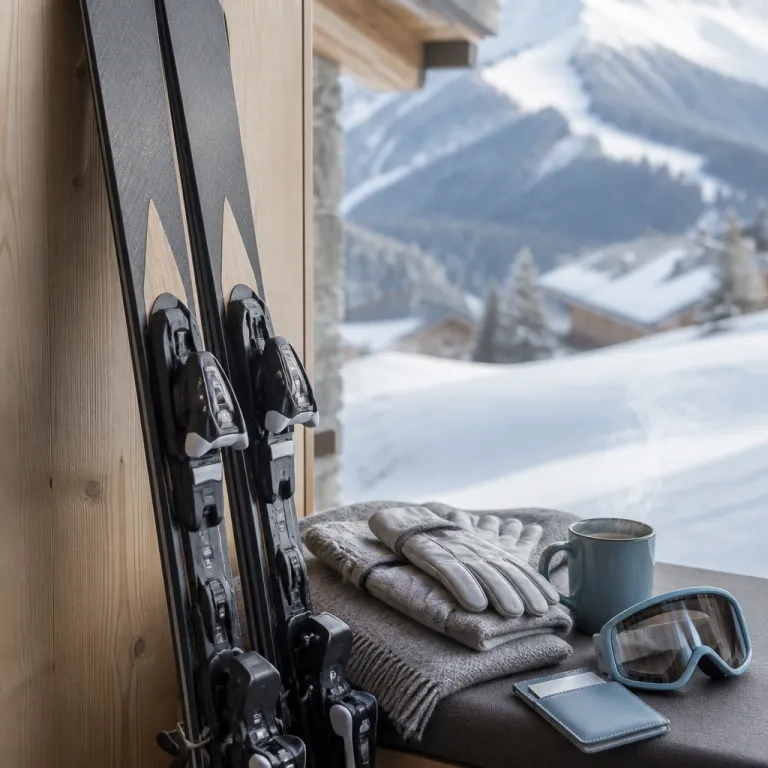
Choosing refined ski destinations in Austria for luxury stays
Austria sets a high standard for refined ski destinations, especially for guests who value discreet luxury and polished service. In the Austrian Alps you find ski resorts where five star accommodation, attentive staff, and meticulously groomed slopes come together in a seamless experience. These ski destinations in Austria suit adults seeking privacy as well as a family that wants generous space, child friendly facilities, and easy access to gentle pistes.
Across the country there are more than 400 ski areas, ranging from intimate villages to vast linked domains. This density of ski resorts in Austria means you can match each ski resort to your preferred ski runs, après ski atmosphere, and level of seclusion. When you compare each ski area, focus on the quality of lifts, the reliability of snow, and the range of high altitude terrain rather than only the headline price. Official tourism sources such as Austria.info and resort websites for Sölden, Ski Arlberg, and Ischgl confirm these figures and highlight how many lifts and kilometres of pistes each region offers.
Ski Arlberg is the largest connected ski area in Austria, with about 305 km of slopes, more than 80 lifts, and a reputation for deep snow and polished service. Kitzbühel offers roughly 192 km of pistes, a historic town center, and some of the best ski racing heritage in the Austrian Alps, including the famous Hahnenkamm downhill. Ischgl combines a high altitude ski resort layout with around 234 km of ski runs, over 40 lifts, and a famously vibrant après ski scene that still offers quiet corners in its premium hotels.
Luxury travelers booking a hotel in these resorts Austrian wide usually weigh three elements. They look for ski in ski out accommodation or at least a short walk to the lifts, they expect refined wellness facilities, and they want flexible half board options that allow them to sample local restaurants. When you evaluate the best ski destinations in Austria, consider whether the resort offers private transfers, heated ski lockers, and concierge services that can save time on every ski day. In Lech, for example, many five star properties provide in house ski rental and boot fitting, so you can step into warm boots each morning and glide straight onto the first lift.
For guests planning extended ski holidays, the winter season typically runs from December to April in most Austrian ski areas. Peak conditions for skiing usually arrive between January and February, when snow depths are greatest and the full network of pistes is open. Spring skiing in March and April can be ideal for adults who enjoy long lunches on sunny terraces, softer afternoon snow, and a more relaxed price structure on premium rooms.
Modern lifts and gondolas now define the leading resorts in Austria, and they shape the overall feel of each ski area. High speed chairlifts reduce waiting times, while extensive snow making ensures that even lower slopes maintain reliable snow cover. When you compare resorts Austrian wide, ask how many lifts serve the main ski area, how much of the terrain is above 1 800 m, and how often the pistes are groomed overnight. Many flagship destinations publish daily grooming reports and lift statistics on their official sites, which helps you judge whether the infrastructure matches your expectations.
Alpine escapes in Saalbach Hinterglemm and the wider Ski Amadé network
Saalbach Hinterglemm has evolved into one of the most complete ski destinations in Austria for travelers who want both variety and comfort. The linked ski area of Saalbach Hinterglemm, Hinterglemm Leogang, and Leogang Fieberbrunn offers hundreds of kilometres of slopes served by fast lifts and gondolas. This circuit allows adults and a family to ski different sectors each day while always returning to the same luxury hotel at night, often within a few minutes’ walk of the nearest lift.
Within this wider ski area, the village of Hinterglemm stands out for its convenient accommodation layout and easy access to the main lifts. Many premium hotels sit just a few metres from the pistes, which means you can ski directly back to your spa suite after a long day on the snow. When you compare each resort price, remember that a true ski in ski out hotel can save both time and energy, especially for families with younger children who tire quickly at the end of the afternoon.
Leogang Fieberbrunn adds a more tranquil dimension to these connected ski resorts in Austria, with tree lined ski runs and impressive views across the Austrian Alps. Guests who prefer quieter evenings often choose a resort hotel in this sector, then ski over to Saalbach Hinterglemm for more animated après ski before returning to calm surroundings. This balance between lively and peaceful areas is one reason why many consider this region among the best ski destinations in Austria, particularly for mixed groups where some guests want nightlife and others value early nights.
For travelers who appreciate refined alpine elegance in a slightly smaller setting, the village of Maria Alm in the Hochkönig ski area is an excellent option. You can explore detailed insights into alpine elegance in Maria Alm to understand how its hotels blend traditional Austrian ski charm with modern design. A typical day here might begin with breakfast overlooking snow covered church spires, followed by relaxed skiing on wide blue pistes and an afternoon in a candlelit spa with mountain views.
Ski Amadé, one of the largest ski areas in Europe, links several Austrian ski resorts under a single pass, including parts of the Salzburg region. For luxury guests, the advantage lies in the ability to tailor ski holidays around different villages while enjoying consistent standards of lifts, grooming, and mountain restaurants. When you plan a multi resort itinerary within Ski Amadé, consider private transfers between areas to maintain a smooth, high end experience; transfer times between neighbouring valleys often range from 30 to 60 minutes by car.
Bad Gastein, also within the broader Ski Amadé network, combines grand Belle Époque architecture with a dramatic valley setting and thermal spas. Many premium hotels here offer direct access to the lifts as well as extensive wellness facilities that use the region’s natural thermal waters. This makes Bad Gastein particularly appealing for adults who want to combine intense skiing on varied slopes with restorative spa rituals after each day on the snow, such as thermal pools, steam rooms, and mineral rich treatments.
St. Anton, Ischgl, and the art of refined après ski
St. Anton am Arlberg is often regarded as the spiritual home of Austrian ski culture, and it remains a benchmark for serious skiers. The wider Ski Arlberg area connects St. Anton with Lech, Zürs, and other villages, creating a vast playground of pistes and off piste terrain. Luxury hotels here cater to guests who expect both challenging ski runs and polished service from the moment they arrive, with private transfers from Innsbruck or Zurich airports taking around one and a half to two and a half hours.
Après ski in St. Anton has a legendary reputation, yet the village also offers quieter lounges and refined wine bars for a more measured evening. High end hotels often provide private shuttle services to and from the lifts, allowing guests to enjoy the social scene without compromising on comfort. For a deeper look at how nightlife and luxury intersect here, explore this guide to afterski in St. Anton and its most exclusive venues.
Ischgl, located in the Paznaun valley, is another high altitude ski resort that blends extensive skiing with a sophisticated après ski culture. The resort’s 234 km of slopes are served by modern lifts, and the snow record is strong thanks to both elevation and advanced snow making. Many of the best ski hotels in Ischgl feature direct piste access, large spa areas, and half board dining that highlights regional Austrian cuisine, from hearty Tyrolean dumplings to delicate pastries served in wood panelled dining rooms.
For adults who enjoy a lively atmosphere, both St. Anton and Ischgl offer a wide range of après ski options, from champagne bars to live music venues. Yet within these resorts Austrian travelers can still find serene corners, especially in spa focused hotels set slightly away from the main streets. When you select accommodation, check how well the hotel’s location aligns with your preferred balance between nightlife and quiet, and whether soundproofing and spa opening hours match your daily rhythm.
Luxury travelers often ask whether these high profile ski resorts justify their higher price compared with smaller ski areas. The answer usually lies in the combination of extensive ski runs, reliable snow, and the quality of services such as ski schools, guides, and concierge teams. In St. Anton and Ischgl, the density of premium accommodation and fine dining restaurants means you can craft a ski holiday that feels tailored to your tastes, whether that means private guiding on powder days or multi course tasting menus in the evening.
For families, these destinations can still work well, provided you choose hotels with dedicated family facilities and easy access to beginner slopes. Many properties offer children’s ski lessons, early dinner sittings, and family suites that give parents privacy without sacrificing proximity. When you compare resorts in Austria ski regions, look for clear information on children’s programs, ski kindergarten options, and the layout of nursery slopes near the main lifts, so that younger skiers can progress without long walks or crowded access points.
Designing a luxury ski holiday around lifts, snow, and service
Planning a luxury ski holiday in Austria begins with understanding how you like to ski each day. Some guests prefer long circuits across a vast ski area, while others enjoy repeating favourite pistes close to their chosen hotel. Your ideal ski resort will match this rhythm, offering either expansive networks of ski runs or a compact layout with quick access to the lifts and minimal time spent in transit.
Reliable snow is a central concern, especially for guests booking peak season dates well in advance. High altitude resorts in the Austrian Alps, such as Ischgl and parts of Ski Arlberg, tend to maintain better snow cover on upper slopes. Many Austrian ski areas also invest heavily in snow cannons, which help secure the lower pistes and ensure that ski in ski out accommodation remains practical throughout the winter, even in warmer spells.
When you evaluate different ski resorts in Austria, pay close attention to the lift infrastructure. Modern gondolas and detachable chairlifts reduce queues and make it easier for both adults and children to move around the ski area. A resort with several access points near your accommodation can save valuable time each morning and allow for flexible returns during the day, whether for a leisurely lunch, a spa break, or a quick wardrobe change before après ski.
Service quality is another defining factor in the best ski destinations in Austria. Luxury hotels often provide in house ski rental, boot fitting, and private guides who can show you the quietest slopes at peak times. Many properties also offer ski valets who carry equipment to the lifts, warm your boots overnight, and arrange last minute changes to ski school bookings, so that your days unfold smoothly without constant planning.
Half board arrangements remain popular in Austrian ski resorts, especially for guests staying a full week. This format usually includes breakfast and dinner at the hotel, leaving lunchtime free for mountain restaurants across the ski area. For travelers who enjoy culinary variety, some hotels now offer flexible half board credits that can be used in partner restaurants within the resort, allowing you to sample everything from rustic huts to contemporary fine dining.
Price structures in luxury accommodation vary widely between resorts Austrian wide, and even between different weeks in the same ski area. To save on overall costs without compromising comfort, consider travelling slightly outside the absolute peak weeks while still targeting strong snow conditions. Booking early, especially for the most sought after ski resorts in Austria, gives you access to the best room categories and often more favourable offers, including bundled ski passes or spa inclusions.
Curating premium accommodation and half board experiences
Selecting the right accommodation is central to any luxury ski holiday in Austria. High end hotels in the Austrian Alps now blend traditional woodwork with contemporary design, creating warm interiors that still feel crisp and modern. When you compare options, focus on room size, spa facilities, and the distance to the nearest lifts rather than only the nightly price, and read recent guest reviews to confirm that service standards match the star rating.
Many of the best ski hotels in Austria offer extensive spa areas with pools, saunas, and treatment rooms. After a full day on the slopes, these spaces become a quiet counterpoint to the energy of the ski resort outside. Adults often appreciate adult only spa zones, while families value separate pools where children can relax and play without disturbing other guests, especially in the late afternoon when most skiers return.
Half board remains a defining feature of Austrian ski hospitality, especially in resorts such as Saalbach Hinterglemm, Bad Gastein, and Kitzbühel. A typical half board arrangement includes a generous breakfast buffet and a multi course dinner, often with regional specialities and carefully curated wine lists. This structure allows guests to control their ski holidays budget more easily, since the majority of meals are already included in the overall price and only lunches and occasional extras remain variable.
For travelers who prefer more flexibility, some luxury hotels now offer a mix of half board and à la carte options. You might choose half board for most nights, then dine in external restaurants on evenings when you want to explore the wider resort. In larger ski areas such as Ski Amadé or Ski Arlberg, this approach lets you align your dining with the specific sector of the ski area you plan to explore the next day, so you can linger over dessert without worrying about a long return journey.
Families should pay close attention to room configurations and child friendly services when booking accommodation in ski resorts in Austria. Interconnecting rooms, family suites, and separate living areas can make a significant difference to comfort during a week long stay. Many hotels also provide supervised playrooms, early children’s dinners, and ski shuttle services that simplify logistics for parents, particularly on busy changeover days.
Adults travelling without children may prefer smaller properties with a quieter atmosphere and more intimate dining rooms. In these hotels, service often feels highly personalised, with staff remembering your preferred table, favourite wine, and ideal time for spa treatments. Whether you choose a grand resort hotel or a more discreet property, ensure that the accommodation style aligns with how you like to unwind after skiing, whether that means a lively bar or a library with an open fire.
Beyond the slopes: wine, wellness, and cultural detours
Luxury ski holidays in Austria increasingly extend beyond pure skiing to include wine, wellness, and cultural experiences. Many guests now design itineraries that combine a week in a high altitude ski resort with a few days in a wine region or historic city. This approach allows you to experience different sides of Austrian hospitality within a single trip, moving from crisp mountain air to vineyard landscapes and baroque architecture.
The Kamptal, Burgenland, and Thermenregion areas, for example, offer refined vineyard stays and spa hotels within a few hours of major ski areas. For inspiration on how to pair alpine skiing with vineyard retreats, consult this guide to the Austrian hotel and vineyard circuit. By combining ski resorts in Austria with these wine regions, you can create a journey that moves from snow covered slopes to candlelit tasting rooms, where local winemakers pour Grüner Veltliner or Blaufränkisch beside open fires.
Wellness has become a central pillar of many premium hotels in the Austrian Alps, particularly in destinations such as Bad Gastein. Here, thermal waters feed expansive spa complexes where guests can alternate between skiing and restorative treatments. This blend of activity and relaxation suits adults who want their ski holidays to leave them feeling both energised and deeply rested, with days that end in warm pools and quiet relaxation rooms.
Cultural detours to cities such as Salzburg or Innsbruck can also enrich a ski focused itinerary. These cities offer classical music venues, museums, and historic architecture, all within reach of several major ski areas. A few nights in a city hotel before or after your time in the mountains can provide a different rhythm and broaden the overall experience of Austria, from evening concerts to café culture and guided walking tours.
When planning these combinations, consider the logistics between each area, including transfer times and the availability of private drivers. Many luxury hotels in ski resorts Austrian wide can arrange door to door transfers that link the ski area with airports, cities, or wine regions. This level of coordination helps maintain a sense of ease throughout the journey, even when you move between very different landscapes and activities.
Travel insurance remains a prudent addition to any itinerary that includes skiing, spa treatments, and multiple destinations. Policies that cover off piste skiing, lift closures, and medical care in the mountains can protect both your investment and your peace of mind. As one expert summary notes, “Book accommodations early.”, “Check weather forecasts.”, “Consider travel insurance.”, which remains sound advice for any luxury traveler heading to the Austrian Alps and planning a complex, multi stop journey.
Practical strategies to save while staying in premium hotels
Luxury ski holidays in Austria do not always need to come with the highest possible price tag. With careful planning, you can stay in premium accommodation, ski in top tier resorts, and still save on overall costs. The key lies in understanding how seasonality, room categories, and package offers interact in each ski resort, and then matching them to your priorities.
Travelling slightly outside the absolute peak weeks often brings more favourable rates in many ski resorts in Austria. Snow conditions in high altitude areas such as Ischgl or parts of Ski Arlberg usually remain strong, even when prices soften a little. By choosing these windows, adults and families can access the same lifts, pistes, and services as peak season guests while paying less, and often enjoying quieter slopes and more attentive service.
Early booking is another effective way to secure the best ski accommodation at a more attractive price. Many hotels release limited early bird offers that include added value such as complimentary spa treatments, room upgrades, or discounted ski passes. In popular ski areas, these offers tend to sell out quickly, so it pays to monitor availability as soon as dates are confirmed and to join hotel newsletters that announce new packages.
Package arrangements that combine accommodation, ski passes, and sometimes equipment rental can also help you save. When these packages are offered directly by the hotel, they often reflect a close partnership with local lift companies and ski schools. This integration can simplify logistics and ensure that all elements of your ski holidays are aligned from the first day on the slopes, reducing the risk of queues at ticket offices or last minute shortages in ski hire shops.
For families, choosing a hotel with inclusive children’s programs, ski shuttles, and half board dining can reduce incidental expenses. When most meals and activities are already covered, it becomes easier to track the overall budget and avoid unexpected costs. Adults travelling alone or as a couple might instead prioritise spa access or late check out options, which add value in different ways by extending relaxation time on departure days.
Finally, consider the long term value of staying in a resort that truly matches your skiing style and service expectations. A well chosen ski area with efficient lifts, varied pistes, and attentive staff can transform a good holiday into a memorable one. In the context of ski destinations in Austria, quality often proves to be the best way to save, because every day on the snow feels fully used and you leave with the sense that both time and budget were well spent.
Key figures for luxury ski destinations in Austria
- Total ski areas in Austria number around 400, according to data referenced by the Sölden official website and national tourism statistics, which means travelers can choose from a wide spectrum of resorts, from intimate villages to vast linked domains.
- Ski Arlberg is recognised as the largest connected ski area in Austria, offering approximately 305 km of slopes and more than 80 lifts, a scale that allows advanced skiers to ski different sectors each day without repeating the same pistes.
- Kitzbühel provides about 192 km of slopes, combining extensive skiing with a historic town center and the renowned Hahnenkamm race, which makes it attractive for guests who value both sport and heritage in a single resort.
- Ischgl offers around 234 km of slopes at relatively high altitude, supported by over 1 000 snow making machines, a factor that underpins reliable snow conditions and a long winter season for luxury travelers seeking consistent skiing.
- The main winter season in Austrian ski resorts typically runs from December to April, with January and February often delivering the most reliable snow depths and the fullest operation of lifts and mountain services, as confirmed by long term resort snow reports.
Frequently asked questions about luxury ski destinations in Austria
What is the largest ski resort in Austria for luxury travelers ?
The largest ski resort in Austria is Ski Arlberg, which offers about 305 km of slopes linked by modern lifts. For luxury travelers, this area includes refined villages such as Lech, Zürs, and St. Anton, each with high end hotels, gourmet restaurants, and extensive spa facilities. The combination of scale, snow reliability, and premium accommodation makes Ski Arlberg a leading choice for discerning guests who want both challenging terrain and polished hospitality.
When is the best time to plan a luxury ski holiday in Austria ?
The best time to ski in Austria for reliable conditions is usually between January and February, when snow depths are strongest and most pistes are fully open. Luxury travelers who prefer quieter slopes and slightly softer prices often choose early December or March, especially in high altitude resorts. Spring skiing can be particularly appealing for adults who enjoy long lunches on sunny terraces, milder temperatures, and a more relaxed pace on and off the mountain.
Are there beginner friendly ski resorts in Austria with premium hotels ?
Yes, many Austrian ski resorts combine beginner friendly slopes with high quality accommodation. Destinations such as Saalbach Hinterglemm, Maria Alm, and parts of Ski Amadé offer gentle nursery areas near the village, supported by modern lifts and well regarded ski schools. Luxury hotels in these resorts often provide ski shuttles, equipment rooms, and concierge services that make learning to ski more comfortable for both adults and children, including help with booking lessons and arranging lift passes.
How far in advance should I book a luxury hotel in Austrian ski resorts ?
For peak season dates in popular resorts such as St. Anton, Ischgl, or Kitzbühel, it is wise to book accommodation at least several months in advance. High demand room categories, such as suites with private spa facilities or true ski in ski out locations, often sell out first. Early booking also increases your chances of accessing special offers, including reduced price ski passes or complimentary upgrades, which can add significant value to a luxury stay.
What should I consider when choosing between different Austrian ski areas ?
When comparing Austrian ski areas, focus on the size of the skiable terrain, the quality of lifts, and the typical snow record at your planned travel dates. Also consider the character of each resort, including après ski options, family facilities, and the style of accommodation available. Matching these factors to your personal preferences will help you select the ski destination in Austria that delivers the most satisfying overall experience, whether you prioritise challenging descents, spa time, or quiet evenings by the fire.