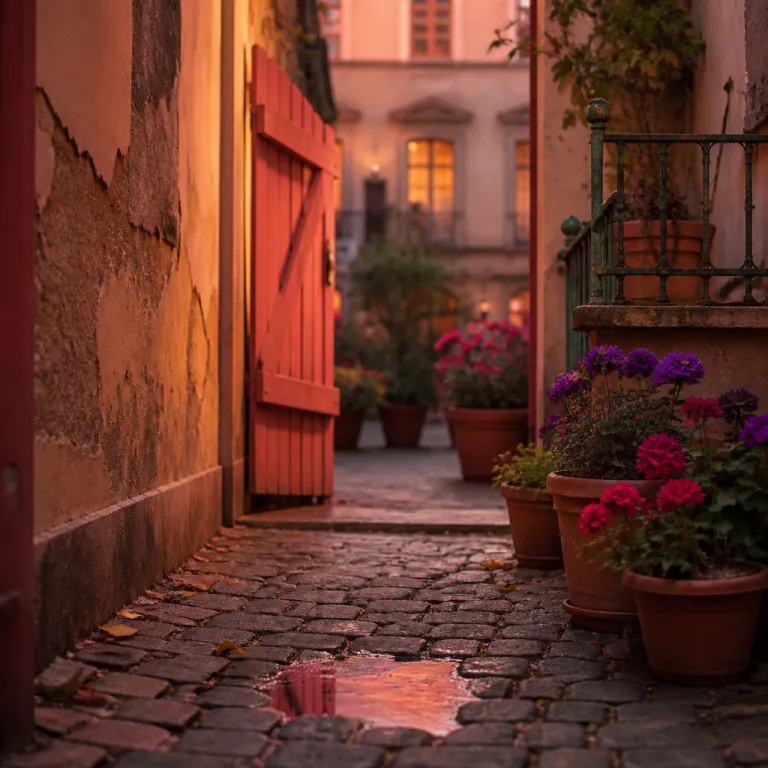
Why a vienna historic hotel courtyard changes your stay
Step off Vienna’s Ringstrasse and the noise falls away instantly. A true Vienna historic hotel courtyard places you in a sheltered world where the city’s imperial layers feel close, yet the air is calm and almost residential. For couples planning a luxury stay in Vienna, Austria, choosing a hotel in Vienna that is designed around an inner court can shape every moment of the trip.
Many historic hotels in Wien were originally planned around inner courts for light, ventilation and privacy. Today those same courtyards give hotel rooms a rare quiet in the dense city, while the façades around them showcase Baroque, Biedermeier or Jugendstil design that you can read like an architectural guidebook. When you book a Vienna hotel with a courtyard, you are not just choosing rooms and restaurants, you are choosing how you will move through the city’s history each day.
Several of Vienna’s most characterful hotels sit inside the UNESCO listed historic centre, where Durchhaus passageways link one courtyard to the next. The Historic Centre of Vienna has been on the UNESCO World Heritage List since 2001, and a Vienna courtyard hotel here might connect directly to a narrow lane, a main staircase or even a second hidden garden, turning a simple walk to breakfast into a small architectural tour. For travelers who value imperial luxury and cultural depth, these courtyards are as important as any view of the Staatsoper or Stephansdom.
The Durchhaus tradition and how courtyards shape the city
Vienna’s Durchhaus passages are the city’s quiet counterpoint to its grand boulevards. Push open a heavy hotel door in Wien and you may find a vaulted passage leading from street to courtyard, then on to a second street, creating a private shortcut through imperial Vienna. Staying in a hotel Vienna property that preserves this Durchhaus layout lets you experience the city as residents once did, slipping between façades instead of circling busy corners.
In the Innere Stadt, many hotels are designed around these linked courtyards, with air conditioned corridors and staircases framing open spaces where the air still feels surprisingly soft. A historic courtyard here often doubles as an outdoor lobby, where guests cross from their room to the restaurants under wrought iron balconies and high windows. One recent guest at a boutique hotel near Stephansdom described stepping out of an air conditioned room into a cool, shaded courtyard as “like walking into a private cloister in the middle of the city.”
Several of Vienna’s MICHELIN listed restaurants sit inside historic hotels, so a courtyard facing room can place you just a few steps from some of the city’s most ambitious kitchens. According to the MICHELIN Guide 2024 for Austria, Vienna counts more than a dozen starred restaurants, including several in landmark hotels. If you are planning a trip focused on fine dining and heritage, pair your hotel booking with research into Vienna restaurant and historic inn experiences that inspire luxury trips to Austria, then note how those dining rooms relate to their courtyards. The result is a stay where each passageway, each main staircase and each courtyard crossing becomes part of a curated route through Vienna, not just a way to reach your table.
From Baroque to Jugendstil: what style means for your room
Not all courtyards in Vienna’s hotels feel the same, and the difference starts with architecture. A Baroque Vienna courtyard hotel usually means high façades, dramatic cornices and a sense of theatrical arrival as you step in from the street. Biedermeier courtyards tend to be more intimate, with simpler lines and hotel rooms that feel domestic rather than palatial, while Jugendstil spaces often feature sinuous ironwork and stained glass that glow at night.
These styles directly influence your room and the hotel rooms around you, from ceiling height to how the air moves through the space. In an imperial Vienna palace conversion, a courtyard facing room might have soaring ceilings and tall windows, so even with modern air conditioning and double glazing you still sense the original proportions. By contrast, a later collection hotel built for an international luxury collection may offer more standardized rooms, but the courtyard design will often frame a carefully curated garden or sculpture that you see each time you step out.
When you compare options like Hotel Stefanie, the Imperial Riding School, Autograph Collection or Mandarin Oriental Vienna, pay attention to how each property uses its courtyard. Some hotels keep these spaces as quiet cloisters, while others activate them with restaurants, bars and high tea services that turn the courtyard into a social stage. For a deeper dive into how one grand hotel uses its inner spaces, note how Hotel Imperial has historically combined fine dining and heritage; its former restaurant Opus held a MICHELIN star in the 2010s, illustrating how gastronomy, design and imperial luxury can converge around a single historic courtyard.
Courtyard facing or streetside rooms: how to choose in Innere Stadt
Choosing between a courtyard facing room and a streetside room in Vienna is not a minor detail. A room overlooking an inner court usually offers more quiet, with the city’s sounds softened by stone walls and planted beds, while a streetside room trades some calm for views of trams, façades and passing life. Couples planning a romantic stay should decide whether they want to wake to birds in an inner courtyard or to the sight of the Ringstrasse and its procession of carriages and taxis.
In practice, many hotels in Wien offer both options within the same property, especially in historic buildings where the main staircase leads from a formal entrance to a courtyard ringed with rooms. Ask clearly when booking whether your chosen hotel Vienna category faces the courtyard or the street, and whether the windows open or rely entirely on air conditioning. In some older properties, air conditioned rooms on the courtyard can feel cooler in summer because the stone and shade hold the night air, while streetside rooms may receive more direct sun.
For light sleepers, a courtyard facing room in a historic Vienna hotel is usually the safest choice, particularly in the dense lanes of the Innere Stadt. Travelers who prioritize views might prefer streetside hotel rooms that look onto a church tower or a tram lined boulevard, accepting a little more noise in exchange. Either way, the best hotels in Vienna, Austria will be transparent about these differences, and a good reservation équipe will help you match your room to your travel style rather than pushing the highest priced category.
Three standout historic courtyard stays in Vienna
Hotel Stefanie, often described as Vienna’s oldest continuously operating hotel, is a textbook example of how a historic courtyard can anchor an entire property. The hotel traces its documented history back to 1600, according to its official records, and its inner court feels like a stage set for old Wien, with wrought iron details and a calm that contrasts sharply with the nearby Danube Canal traffic. Rooms here are traditionally designed, with air conditioned comfort and a sense of continuity that appeals to travelers who want their stay in Vienna, Austria to feel rooted in local history.
Across the city, the Imperial Riding School, Autograph Collection by Marriott International occupies a former military equestrian academy, and its courtyard still carries that sense of disciplined grandeur. The building’s long façades frame a generous green space where guests move between hotel rooms, restaurants and leisure areas, creating a campus like feel that is rare in the compact Innere Stadt. This collection hotel under the wider Marriott brand balances imperial luxury references with contemporary design, so you might walk down a historic main staircase, then step into a sleek, air conditioned lobby bar that looks firmly international.
Mandarin Oriental Vienna, housed in a restored early twentieth century courthouse, offers a different take on the Vienna historic hotel courtyard idea, with inner spaces that feel more like urban salons than cloisters. Here the design language is quietly opulent, combining the building’s judicial past with the group’s signature luxury collection of materials and finishes. All three hotels show how a courtyard in Wien can be more than an architectural leftover, becoming instead the emotional centre of a stay that connects imperial Vienna to the present.
A walking route through Vienna’s hidden hotel courtyards
One of the most rewarding ways to understand a Vienna courtyard hotel is to link several of them on foot. Start in the Innere Stadt, where the UNESCO listed street grid hides a network of Durchhaus passages that run from hotel to hotel, sometimes via public arcades and small gardens. With a good city map and a little planning, you can create a loop that passes through at least three historic hotels, several courtyards and a handful of quiet lanes that most visitors never see.
Begin near Hotel Stefanie on the edge of the old town, then cross the Danube Canal into the core of Wien, where imperial Vienna reveals itself in layers of façades, statues and high windows. From there, weave towards properties like Hotel Imperial or Vienna Marriott, noting how each hotel Vienna address uses its courtyard differently, from formal carriage entrances to relaxed terraces shaded by awnings. Along the way, you can build in tastings at hotel restaurants or lobby bars, turning the walk into a progressive exploration of both architecture and hospitality.
To extend the experience beyond the city, consider pairing your Vienna stay with a countryside circuit that combines vineyard hotels and thermal spas, such as the Kamptal, Burgenland and Thermenregion hotel and vineyard circuit. This contrast between urban courtyards and rural estates highlights how Austria uses design and landscape to frame luxury stays in different regions. By the time you return to your own air conditioned room in a historic Vienna courtyard hotel, you will read its stone, its air and its proportions with a more informed eye.
How luxury brands interpret Vienna’s courtyard tradition
Global brands like Marriott International and Mandarin Oriental approach the Vienna historic hotel courtyard with a mix of respect and reinvention. In properties such as the Imperial Riding School, Autograph Collection, the courtyard becomes a curated outdoor lounge, with carefully designed planting, lighting and furniture that extend the hotel’s interior design language. Guests move from air conditioned corridors to open air spaces that feel like an extension of the lobby, blurring the line between inside and outside in a city known for its distinct seasons.
At the top end of the market, a collection hotel in Vienna, Austria will often use its courtyard to signal imperial luxury without copying historical styles too literally. You might see a restrained palette of stone and metal, high quality textiles and discreet signage, all arranged around a central feature such as a fountain or sculpture. This approach respects the building’s original proportions and main staircase while ensuring that the courtyard functions as a contemporary social space for international guests who expect both heritage and modern comfort.
For travelers comparing independent hotels with branded options like Vienna Marriott or other luxury collection properties, the key is to look at how each courtyard supports the overall stay. Does it host restaurants, events and afternoon drinks, or is it kept as a quiet retreat visible mainly from hotel rooms above? By asking these questions when you book, you ensure that your chosen Vienna courtyard hotel is not just a backdrop, but an active part of your experience of Wien.
Key figures: Vienna’s historic hotels and courtyards in numbers
- Vienna’s official tourism statistics report more than 400 hotels and similar establishments in the city as of 2023, with a strong portfolio of heritage properties centred on historic courtyards that preserve original façades and circulation routes.
- Numerous properties in the Innere Stadt predate modern air conditioning and have been carefully retrofitted, so guests can enjoy air conditioned comfort while still looking onto traditional inner courts and historic stonework.
- The MICHELIN Guide 2024 for Austria lists over 20 starred restaurants in Vienna, with several located inside landmark hotels where guests can dine either in courtyard settings or overlooking inner gardens.
- Local tourism reports highlight rising interest in cultural and architecture focused stays, including visits to hotels with historic courtyards, which in turn encourages ongoing restoration projects and façade conservation across the city.
FAQ about Vienna’s historic hotel courtyards
Which is Vienna’s oldest hotel with a historic courtyard
Which is Vienna's oldest hotel? Hotel Stefanie is widely cited by local sources as one of the city’s oldest continuously operating hotels, with documentation dating back to 1600 on its official site. Its inner courtyard reflects centuries of adaptations, and staying there places you inside a living piece of Wien’s hospitality history rather than a recreated theme.
Do historic hotels in Vienna offer guided tours of their courtyards
Do these hotels offer guided tours? Many offer tours; check with individual hotels. Some properties organize short history walks that include the courtyard, the main staircase and selected hotel rooms, giving guests context for the architecture they see each day. Others may offer occasional public tours during cultural events or open house weekends.
Are Vienna’s hotel courtyards accessible to non guests
Are the courtyards accessible to non-guests? Access policies vary; inquire directly with hotels. In practice, some Viennese hotels allow visitors to cross the courtyard to reach restaurants or bars, while others keep these spaces reserved for registered guests to preserve privacy and security.
Why do many historic hotels in Vienna have inner courtyards
Inner courtyards in Vienna’s historic hotels originated as practical solutions for light, air and service circulation in dense urban blocks. Over time, these spaces became social and ceremonial areas, and today a Vienna historic hotel courtyard often serves as a calm retreat where guests can enjoy air conditioned comfort indoors while still looking onto greenery and historic façades.
How far in advance should I book a courtyard facing room in Vienna
Courtyard facing hotel rooms in central Vienna are limited and popular with light sleepers, so booking several months ahead is wise for peak cultural seasons such as May–June and September–December. When reserving, specify clearly that you want a room facing the courtyard rather than the street, and ask the équipe to confirm this in writing on your booking.
Sources and further reading
- Vienna Tourism Board – official visitor statistics and accommodation data
- MICHELIN Guide 2024 – Austria edition, Vienna restaurant listings
- Official sites of Hotel Stefanie, Imperial Riding School Autograph Collection and Mandarin Oriental Vienna – historical notes and architectural background