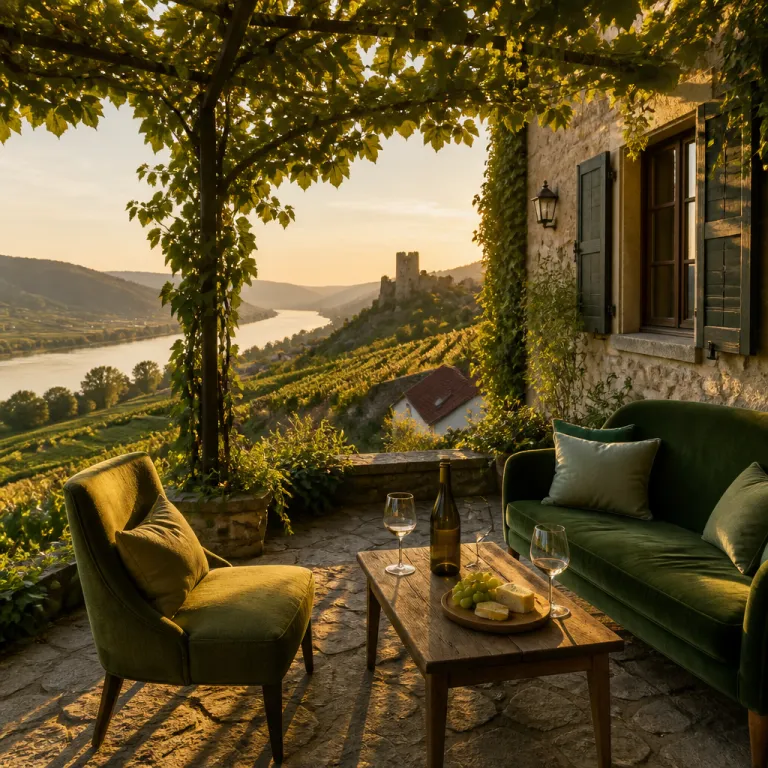
Why wachau valley hotels for wine feel made for slow weekends
Wachau valley hotels for wine focused weekends suit couples who prefer time over ticking sights. This narrow Wachau valley in Lower Austria runs for about 36 kilometres along the Danube river, and it concentrates vineyards, monasteries and river villages into a landscape that rewards lingering rather than rushing. When you treat Austria Wachau as a destination instead of a quick day trip, the rhythm of the river, the terraced vineyards and the late afternoon light over the hills start to feel like part of your stay.
The region is one of Europe’s most compact wine regions, with around 200 wineries spread between Melk and Krems, and that density makes it easy to plan a weekend where every walk or cycle ride passes a cellar door. Wachau wine is dominated by Grüner Veltliner and Riesling, and many of the best wines never leave Austria, so a slow stay Wachau weekend is often the only way to taste limited single vineyard bottlings directly at the source. For wine lovers who care as much about where they sleep as what they drink, wachau valley hotels wine choices range from riverside inns to former castles, with both luxury and mid range options that still feel authentically local.
Think of the Danube as more than a scenic backdrop ; the Danube river is the spine that connects Melk, Spitz, Weissenkirchen, Dürnstein and Krems, and each town offers a different style of hotel and wine experience. A river cruise can be a pleasant way to arrive, but staying overnight in the valley lets you see how the abbey bells, the working vineyards and the soft evening light transform the mood after the day visitors leave. For couples planning a wine tour focused weekend, the most rewarding strategy is to pick one or two villages, check prices early for the best river facing rooms, and then build your tastings, walks and meals around that base.
Riverside towns and where to stay for a wine weekend
Choosing the right town in the Wachau region shapes your entire wine weekend. Melk anchors the western end with its baroque Melk Abbey, while Krems frames the east with a more urban energy, and between them the valley folds into smaller villages like Spitz, Weissenkirchen and Dürnstein where vineyards press right against the Danube. For a slow stay Wachau itinerary, it makes sense to pair one night near Melk Abbey or Spitz with another closer to Dürnstein or Krems, so you experience both ends of the valley wine landscape.
Melk itself works well if you want to combine culture and wine, because you can spend a day exploring the abbey, then walk down to the river for a relaxed dinner before a glass of Wachau wine in a nearby Heuriger, the traditional wine tavern. From here, frequent boats and trains connect you to other parts of Lower Austria, but the real pleasure lies in not moving too far, letting the Danube river and the terraced vineyards around Melk set the pace. If you are planning peak season travel, align your dates with this guide to where to reserve before July in Austria, then secure your Wachau hotel before the best rooms facing der Donau are gone.
Further east, Spitz an der Donau feels more intimate, with the river curving gently below steep vineyards and a cluster of traditional houses. Here, STIERSCHNEIDER'S Weinhotel Wachau & Wiazhaus offers a family run base with around 35 rooms, ideal for wine lovers who want a hotel that understands local growers and can arrange a personalised wine tasting or wine tour in the surrounding vineyards. In both Melk and Spitz, you will find a mix of luxury and mid range hotels, so couples can check prices and decide whether to invest in a Danube facing suite or allocate more of the budget to rare wines and long lunches.
Dürnstein to Weissenkirchen: castles, cellars and character stays
The stretch between Dürnstein and Weissenkirchen is where wachau valley hotels wine experiences become most concentrated, and it is here that many couples choose to base a full weekend. Dürnstein rises almost theatrically from the river, with its blue church tower, steep lanes and the ruins associated with Richard Löwenherz, the English king once held captive above the town. Staying in this part of the valley means you can walk from your hotel straight into terraced vineyards in the morning, then end the day with a glass of Grüner Veltliner as the sun drops behind the hills.
Hotel Schloss Dürnstein is the area’s grand address, a five star property with a historic wine cellar carved into the rock above the Danube, and it suits travellers who want old world Austria with direct river views. Its location in the heart of Dürnstein makes it easy to explore Domäne Wachau, one of the region’s most important producers, where you can book a structured wine tasting focused on single vineyard Grüner Veltliner and Riesling from some of the best terraced vineyards in the Wachau. A short drive or cycle away, Gartenhotel & Weingut Pfeffel combines a hotel and working winery, giving wine lovers the chance to stay among the vines, relax in a spa and join a guided wine tour without leaving the property.
Across the river and slightly downstream, Weissenkirchen feels quieter, with traditional houses, small hotels and easy access to both the Danube cycling path and the steep valley wine slopes behind the village. This is a good base if you prefer a more low key stay Wachau experience, with evenings spent in local Heuriger taverns rather than formal dining rooms. For couples who enjoy design led spaces, it is worth reading our guide to immersive luxury hotel experiences in Austria, then comparing those sensibilities with the more traditional yet deeply rooted hospitality you find in Dürnstein and Weissenkirchen.
Krems, Mautern and wine lodges for design minded couples
At the eastern gate of the Wachau, Krems offers the most urban choice of wachau valley hotels for wine focused travellers who still want galleries, cafés and a broader restaurant scene. The town sits where the Danube river begins to widen, and it connects easily to Vienna by train, making it a smart starting or ending point for a slow weekend in the valley. For couples who like to mix wine region immersion with a touch of city life, a night in Krems followed by two nights deeper in the valley can be an elegant compromise.
Near Krems, Aufreiter's Weinhof & Landhaus Ilse brings a playful note to the region with its apricot themed rooms and close ties to local vineyards, which suits travellers who enjoy a more personal, mid range hotel atmosphere. Across the river in Mauternbach, Weinlodge Wachau offers modern guest rooms and an outdoor pool, giving design minded guests a contemporary base that still feels rooted in the Austria Wachau landscape. Both properties work well if you want to check prices against the grander hotels in Dürnstein, then allocate savings to private wine tasting appointments or a longer wine tour schedule.
Design focused travellers should also look at our broader guide to Austria’s most inspiring design hotels, then use it as a benchmark when evaluating wachau valley hotels wine offerings. While the valley is better known for its abbey towers and terraced vineyards than for avant garde architecture, properties like Weinlodge Wachau show how contemporary lines can sit comfortably beside old stone walls and views of der Donau. For couples who care about both aesthetics and authenticity, this eastern part of the region offers some of the best balances between style, price and proximity to top vineyards.
How to structure a wine weekend: cycling, river days and tastings
A slow weekend in the Wachau works best when you treat the Danube as your organising line and the vineyards as your daily playground. The Danube cycling path runs along both banks of the river, linking Melk, Spitz, Weissenkirchen, Dürnstein and Krems, and it allows you to move between hotels and villages without ever needing a car. Many wachau valley hotels for wine enthusiasts now offer bike rentals or can arrange luggage transfers, so you can cycle one way, take a river cruise back and still arrive at dinner in time for a glass of chilled Grüner Veltliner.
One classic structure is to spend the first day around Melk Abbey and the western valley, focusing on cultural visits and a gentle introduction to Wachau wine in a local tavern. The second day can then be dedicated to the heart of the wine region, with a morning tasting at Domäne Wachau or another leading estate, followed by a relaxed lunch in Spitz or Weissenkirchen and an afternoon ride along the Danube river. On the final day, you might explore Krems or Mautern, check prices for last minute bottles at winery shops, then return to your hotel terrace for a final valley wine toast before heading back to Vienna.
Many hotels collaborate with tour operators to offer curated wine tour experiences, which can be useful if you prefer not to plan every appointment yourself. These packages often include guided wine tasting sessions, visits to terraced vineyards that are hard to reach alone, and sometimes a short river cruise segment to show the valley from the water. When you book, ask your hotel about partnerships with local wineries, because properties like STIERSCHNEIDER'S Weinhotel Wachau & Wiazhaus or Gartenhotel & Weingut Pfeffel often have access to cellars and winemakers that casual day visitors never meet.
When to go, what to book and how to choose your hotel
Timing matters in a compact wine region like the Wachau, especially if you want a calm, slow weekend rather than a crowded festival atmosphere. Spring brings fresh greens to the valley and fewer visitors, while early summer offers long days, warm evenings and full hotel services before the harvest season rush. Autumn is when the vineyards glow gold and the most intense wine events take place, but that also means wachau valley hotels for wine lovers book out quickly and the best river view rooms command higher rates.
Local tourism bodies note that “Spring and autumn offer pleasant weather and wine events.” For couples who prefer quieter lanes and more time with winemakers, late spring or early summer can be the best compromise, especially if you plan to cycle along the Danube river or hike into the terraced vineyards above Spitz and Weissenkirchen. Whenever you travel, book at least two nights in one hotel so you can settle into the rhythm of the region, then consider adding a third night in another village to experience a different side of the valley.
When comparing hotels, think in terms of how you like to spend each day rather than just star ratings. If you want spa time and poolside views of der Donau, properties like Gartenhotel & Weingut Pfeffel or Weinlodge Wachau may suit you better than a simple inn, even if both are technically mid range in price. If you care most about history and atmosphere, Hotel Schloss Dürnstein or a traditional riverside hotel in Spitz might feel like the best match, especially when paired with evenings in local Heuriger taverns and unhurried walks along the river.
Dining, Heuriger culture and pairing your plate with the valley
Staying overnight in the Wachau changes how you eat, because you are no longer tied to the timetable of a day trip bus or river cruise. Many wachau valley hotels for wine travellers now work closely with nearby restaurants and Heuriger taverns, so you can move from a structured wine tasting to a relaxed dinner without worrying about transport. In the larger towns like Krems and Dürnstein, you will find everything from Bib Gourmand level dining rooms to simple inns serving river fish and seasonal vegetables from Lower Austria.
Heuriger culture is central to the region, and it is here that Wachau wine feels most local, poured in simple glasses alongside cold platters of cured meats, cheeses and spreads. Some of the best evenings unfold in small villages like Spitz or Weissenkirchen, where you can walk from your hotel through narrow lanes to a family run tavern, then stroll back under the stars with the river glinting below. For wine lovers, this is also where you can taste everyday Grüner Veltliner and Riesling that rarely leave Austria, complementing the more serious bottles you might buy at Domäne Wachau or other estates.
Fine dining has been gaining ground across Austria Wachau and the wider Lower Austria wine region, with several restaurants recognised for their sustainable approach and close relationships with growers. When you plan your stay Wachau weekend, ask your hotel concierge to secure at least one special dinner, then leave another evening open for spontaneous Heuriger hopping. This balance between planned and unplanned meals mirrors the valley itself, where the Danube river, the abbey towers and the terraced vineyards create a setting that rewards both careful curation and gentle improvisation.
Key figures for planning a Wachau wine weekend
- The Wachau region stretches for about 36 kilometres along the Danube between Melk and Krems, making it compact enough to cross in a single day yet rich enough to fill a long weekend.
- Around 200 wineries operate in the Wachau, according to specialist wine travel guides, which means wine lovers can easily structure multiple tastings without repeating the same producers.
- Approximately 500 000 visitors come to the Wachau each year, so booking hotels and key restaurants in advance is essential during peak harvest and holiday periods.
- Grüner Veltliner and Riesling dominate plantings in this wine region, with harvest typically running from early September into October, when vineyard activity and visitor numbers both peak.
- The core UNESCO listed stretch of the valley includes major sites such as Melk Abbey and Dürnstein, allowing travellers to combine cultural visits and wine tasting within short walking or cycling distances.
FAQ about Wachau valley wine weekends and hotels
What is the best time to visit the Wachau for a wine weekend ?
Spring and autumn offer pleasant weather and wine events, with vines either waking up or turning golden and many wineries opening their doors for tastings. Early summer is ideal if you prefer longer days, active cycling and slightly fewer crowds than during harvest. Winter can be atmospheric around the abbeys and towns, but many seasonal wine venues operate on reduced hours.
Are there guided wine tours available from Wachau hotels ?
Yes, many hotels in the Wachau collaborate with local tour operators and wineries to offer guided wine tour experiences tailored to couples or small groups. These tours often include transport between vineyards, structured wine tasting sessions and sometimes a short river cruise segment. It is worth asking your hotel to arrange appointments, because they often have access to estates that do not advertise widely.
Is the Wachau suitable for a car free weekend stay ?
The Wachau is well suited to car free travel, thanks to the Danube cycling path, frequent boats along the river and reliable trains connecting Melk, Krems and Vienna. Many wachau valley hotels for wine travellers offer bike rentals or can organise luggage transfers between towns. This makes it easy to move at a slow pace, focusing on vineyards and villages rather than parking and traffic.
Can I combine cultural visits with wine tasting in one weekend ?
It is straightforward to combine major cultural sites like Melk Abbey and the historic centre of Dürnstein with winery visits in a single weekend. Distances are short, so you can tour an abbey in the morning, then spend the afternoon in nearby vineyards or a Heuriger tavern. Planning one cultural highlight and one wine focused activity per day keeps the pace relaxed.
Are Wachau hotels suitable for families as well as couples ?
Many hotels in the Wachau welcome families, and the region offers activities such as easy cycling, river cruises and abbey visits that appeal to different ages. However, the most atmospheric wachau valley hotels for wine enthusiasts tend to be geared toward couples seeking quiet evenings and focused tastings. If you travel with children, look for properties with larger rooms, gardens or pools, and confirm family friendly facilities when you check prices.