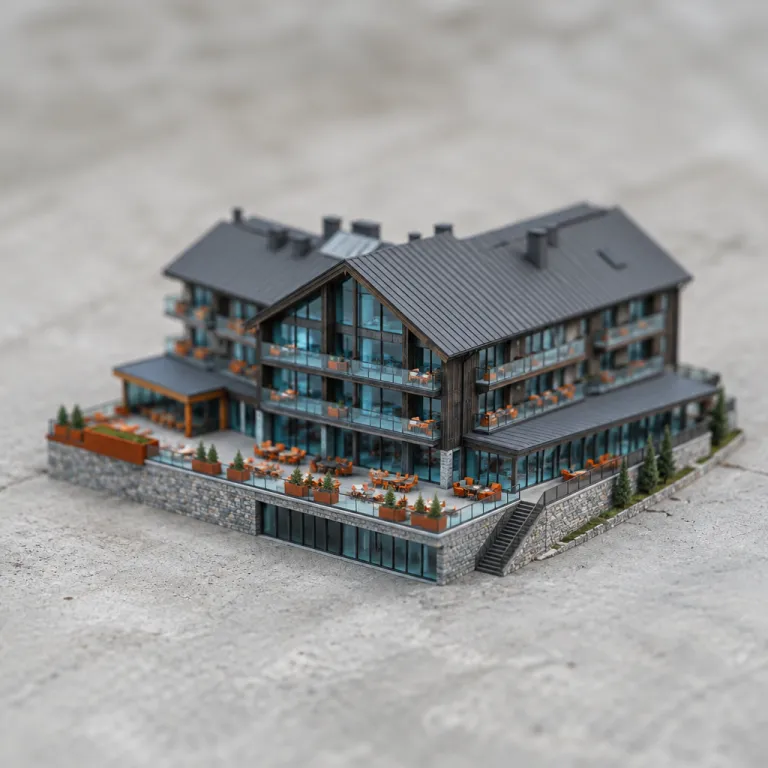
Understanding what the industry of gastein com really is
The question of what is the industry of gastein com leads directly to a sophisticated alpine hospitality ecosystem. In practice, the Gastein valley in Austria operates as a coordinated network of hotels, thermal centres, ski services, and health focused experiences that are marketed through a unified digital platform. When travellers explore the tourism industry behind gastein com, they are essentially asking how this valley wide infrastructure turns natural assets into curated luxury stays.
At its core, the Gastein valley industry blends health tourism, winter sports, and premium accommodation into one seamless alpine experience. The official tourism platform associated with what is the industry of gastein com connects guests with hotels in Bad Gastein, Bad Hofgastein, and Dorfgastein, while also highlighting thermal springs, ski resorts, and cultural events in each town. This digital content and booking service gives international guests transparent access to the full range of services in this part of Austria, from thermal water rituals to guided winter sports.
Bad Gastein and Bad Hofgastein sit between 800 and 1 100 metres above sea level, which creates a distinctive microclimate for both health and ski activities. The alpine setting of the Gastein valley allows the hospitality industry linked to gastein com to promote year round stays, from snow rich ski resort escapes to summer hiking in the Hohe Tauern National Park. Because the valley has a long tradition of European health tourism, the hotels and thermal centres here are regulated under strict Austrian health policy frameworks that reinforce trust for international guests.
How Gastein’s towns structure luxury and premium hotel stays
Understanding what is the industry of gastein com also means understanding how each town in the valley plays a specific role. Bad Gastein has grown into a dramatic alpine town with grand hotels perched above a waterfall, while Bad Hofgastein forms a more compact centre with a pedestrianised heart and direct access to thermal springs. Together, these towns shape a layered hospitality offer where guests can choose between historic grandeur, quiet spa retreats, or ski in ski out convenience.
Bad Gastein is often described as the “Monte Carlo of the Alps” because its hotels rise steeply from the valley floor and frame the gorge, creating a cinematic skyline. In the heart of Bad Gastein, luxury properties integrate thermal water facilities, fine dining culinary experiences, and concierge level ski services that link directly to the wider Gastein valley ski resorts. When travellers research the tourism industry around gastein com, they frequently compare the atmosphere of Bad Gastein with the softer, spa focused character of Bad Hofgastein.
Bad Hofgastein, located closer to the geographical centre of the valley, is known for its large thermal centre and open air spa zones. Here, hotels often connect by footpaths to the Alpentherme complex, giving guests effortless access to thermal springs, family zones, and quiet relaxation areas. If you are comparing alpine stays across Austria and the Tyrol region, resources such as this guide to choosing the right hotel in the Alps can help you position Gastein’s premium hotels against other European ski resort destinations.
Health, thermal water, and the European spa tradition in Gastein
The most distinctive answer to what is the industry of gastein com lies in its health and spa heritage. For more than a century, the Gastein valley has welcomed European health travellers seeking the benefits of thermal water and high altitude air. This long tradition means that many hotels in Bad Gastein and Bad Hofgastein are directly integrated with thermal springs, medical spa departments, and supervised wellness programmes.
Thermal water in Gastein contains naturally occurring radon in low concentrations, and treatments are offered under strict Austrian and European health regulations. Guests can book packages that combine hotel stays with sessions in thermal galleries, radon baths, and physiotherapy, which positions the valley as a serious health destination rather than a simple leisure spa area. When you explore the broader hospitality industry linked to gastein com, you will notice that health policy, medical supervision, and evidence based treatments are highlighted alongside more indulgent spa rituals.
Many luxury hotels in the Gastein valley now balance clinical European health offerings with refined culinary experiences and design led wellness spaces. A guest might spend the morning in a supervised thermal centre, enjoy a light alpine lunch, and then relax in rooftop pools overlooking the Hohe Tauern National Park. As illustrated in interviews published by regional tourism boards between 2019 and 2022, long standing hotel directors in Bad Hofgastein often emphasise that guests come for medical expertise but stay loyal because the valley lets them feel both cared for and completely at ease. For travellers comparing different alpine escapes, it is useful to read detailed hotel case studies such as this review of an alpine escape for refined stays in Leogang, then contrast those services with the integrated health and spa content promoted by the Gastein valley hotels.
Ski resorts, winter sports, and year round alpine access
Another pillar of what is the industry of gastein com is the network of ski resorts and winter sports facilities that stretch along the valley. The Gastein valley is part of the Ski Amadé region, which links several Austrian ski resorts under one pass and offers hundreds of kilometres of pistes. This structure allows hotels in Bad Gastein and Bad Hofgastein to package ski services, lift passes, and equipment rental into one coherent alpine experience.
Bad Gastein’s Stubnerkogel and Graukogel areas, together with the Schlossalm Angertal Stubnerkogel domain above Bad Hofgastein, provide varied terrain for both beginners and advanced skiers. Many premium hotels offer private shuttles, ski rooms with heated lockers, and in house ski concierge services that arrange lessons or guides, which is a key part of the gastein com winter tourism offer for international guests. Because the valley sits at a relatively high sea level for Austria, snow reliability is generally strong, and the ski season often extends longer than in lower lying European ski resorts.
While winter sports dominate the marketing content in colder months, the Gastein valley industry has invested heavily in year round tourism. In summer, the same lifts that serve skiers provide access to hiking trails, mountain bike routes, and panoramic platforms within the Hohe Tauern National Park. This shift towards all season alpine tourism means that hotels can maintain stable service teams, refine culinary experiences across the calendar, and share the valley’s landscapes with guests who prefer quiet hiking to downhill ski adventures.
Digital platforms, booking journeys, and user centred content
From a hospitality technology perspective, what is the industry of gastein com also refers to the way the valley’s tourism board and hotels use digital platforms. The official Gastein website functions as a central booking and information hub, where guests can compare hotels, check ski resort status, and review thermal centre opening times. This shared content strategy allows even smaller properties in the Gastein valley to reach international markets while maintaining consistent service standards.
Modern travellers expect clear navigation, so features such as “skip to content” links, responsive design, and multilingual booking engines are now standard across leading Austrian hotel platforms. When you research the gastein com tourism platform, you will notice that the site integrates live ski data, event calendars, and health package descriptions, which helps guests plan both winter sports and spa focused stays. The ability to book accommodation, ski passes, and sometimes even thermal treatments in one transaction reduces friction and increases trust in the overall service ecosystem.
For guests planning a wider alpine itinerary across Austria, it is helpful to compare Gastein’s digital approach with other regions. Guides such as this map based overview of where to stay in Austria during the shoulder season show how different valleys present their hotels and experiences online. By aligning its content, booking tools, and health information with broader European standards, the Gastein valley strengthens its position as a reliable, guest centred alpine destination.
Meetings, incentives, and the role of conference centres
Business and events tourism forms a quieter but important layer of what is the industry of gastein com. Several hotels in Bad Gastein and Bad Hofgastein offer modern conference centres that combine meeting facilities with direct access to thermal water and ski areas. This combination allows companies to host European health themed retreats, incentive trips, or strategy sessions in an alpine setting that feels both exclusive and practical.
In the heart of Bad Hofgastein, for example, some properties integrate flexible meeting rooms with spa zones and culinary experiences that showcase regional produce. Delegates can spend the day in a conference centre, then move within minutes to thermal springs, mountain viewpoints, or historic town streets, which creates a memorable balance between work and relaxation. When planners ask about the role of gastein com in corporate travel, the answer often highlights this blend of professional infrastructure and restorative nature.
The wider Gastein valley benefits from strong transport access, with rail connections to Salzburg and beyond, which simplifies arrivals for European conference participants. Because hotels operate under strict Austrian health policy and safety regulations, organisers can rely on consistent standards for food hygiene, spa operations, and emergency procedures. This reliability, combined with the visual impact of the alpine landscape and the year round activity offer, positions Gastein as a compelling alternative to more conventional urban conference destinations in Austria.
Nature, national parks, and sustainable alpine hospitality
The final dimension of what is the industry of gastein com is its relationship with the surrounding Hohe Tauern National Park. The Gastein valley opens directly into protected alpine landscapes, and many hotels now frame their services around low impact access to this environment. Guests can join guided hikes, wildlife watching excursions, or educational walks that explain how the national park conserves biodiversity while supporting local communities.
Because the valley sits on the edge of the Tauern National Park, hoteliers must balance development with strict environmental regulations. This has encouraged investments in energy efficient buildings, careful water management for thermal centres, and public transport links that reduce private car use, all of which shape the gastein com hospitality model in practice. Some properties also share transparent sustainability reports in their online content, allowing guests to see how their stay contributes to long term protection of the alpine landscape.
For travellers, this focus on nature means that a stay in Bad Gastein or Bad Hofgastein can combine refined hotel comfort with meaningful time outdoors. You might spend a morning in a thermal spa, an afternoon hiking above the valley at over 2 000 metres, and an evening enjoying regional culinary experiences that highlight seasonal produce from across Austria. As the European health and wellness market continues to grow, destinations that integrate national park access, thermal water traditions, and high quality hotels, such as the Gastein valley, are likely to remain at the forefront of alpine hospitality.
Key figures shaping the Gastein valley hospitality landscape
- The Gastein valley offers around 17 000 guest beds across hotels, guesthouses, and apartments, which places it among the larger alpine tourism regions in Austria (Gasteinertal Tourismus GmbH statistics, 2022, as reported in regional tourism summaries).
- The Ski Amadé network, which includes the Gastein ski resorts, provides access to about 760 kilometres of pistes under one pass, making it one of the largest interconnected ski areas in Europe (Ski Amadé official figures, 2023, cited in Austrian winter tourism reports).
- Thermal centres in Bad Gastein and Bad Hofgastein welcome several hundred thousand visitors per year, reflecting the strong role of European health and spa tourism in the valley’s economy (regional tourism board reports, 2021–2023, based on visitor entry data).
- Hohe Tauern National Park covers roughly 1 856 square kilometres across Salzburg, Carinthia, and Tyrol, and its proximity to the Gastein valley underpins the region’s positioning as a nature focused alpine escape (Hohe Tauern National Park administration data, 2022, summarised in official park publications).
- International guests account for more than half of overnight stays in many Gastein valley municipalities, underlining the importance of multilingual digital content and globally competitive hotel service standards (Austrian tourism statistics, 2022, compiled by national statistical offices).
FAQ about the Gastein valley hospitality industry
What is the industry of gastein com in simple terms ?
It is the coordinated tourism and hospitality ecosystem of the Gastein valley in Austria, centred on hotels, thermal water health services, ski resorts, and year round alpine activities. The official digital platform connects guests with accommodation, spa offers, and regional experiences in Bad Gastein, Bad Hofgastein, and Dorfgastein. In practice, it functions as both an information hub and a booking gateway for the entire valley.
How does Gastein compare with other Austrian ski resorts for luxury stays ?
Gastein stands out because it combines sizeable ski areas with serious European health and spa infrastructure, including large thermal centres and medical supervised treatments. Many luxury hotels integrate thermal springs, fine dining, and ski concierge services under one roof, which is less common in purely sport focused resorts. The dramatic architecture of Bad Gastein and the spa focused layout of Bad Hofgastein also give the valley a distinctive atmosphere compared with other Austrian destinations.
Is Gastein suitable for a year round wellness holiday ?
Yes, the Gastein valley has built a year round tourism model that balances winter sports with summer hiking, biking, and spa programmes. Thermal water facilities operate throughout the year, and many hotels offer seasonal wellness packages that adapt treatments and culinary experiences to the climate. Access to the Hohe Tauern National Park ensures that guests can enjoy nature focused activities in every season.
How easy is it to reach Bad Gastein and Bad Hofgastein without a car ?
Both towns are connected by rail to Salzburg and Vienna, with regular services that stop directly in the valley. From the stations, local buses and hotel shuttles provide quick access to the town centres, ski lifts, and thermal centres. This strong public transport network supports sustainable travel and makes it realistic to plan a car free alpine holiday.
What types of travellers benefit most from staying in the Gastein valley ?
The region works particularly well for guests who value a mix of health, relaxation, and active outdoor time. Couples and solo travellers often focus on spa and wellness, while families appreciate the combination of ski schools, thermal pools, and easy town access. Corporate groups also use the valley for meetings and incentives, taking advantage of conference centres that sit close to both ski slopes and thermal springs.