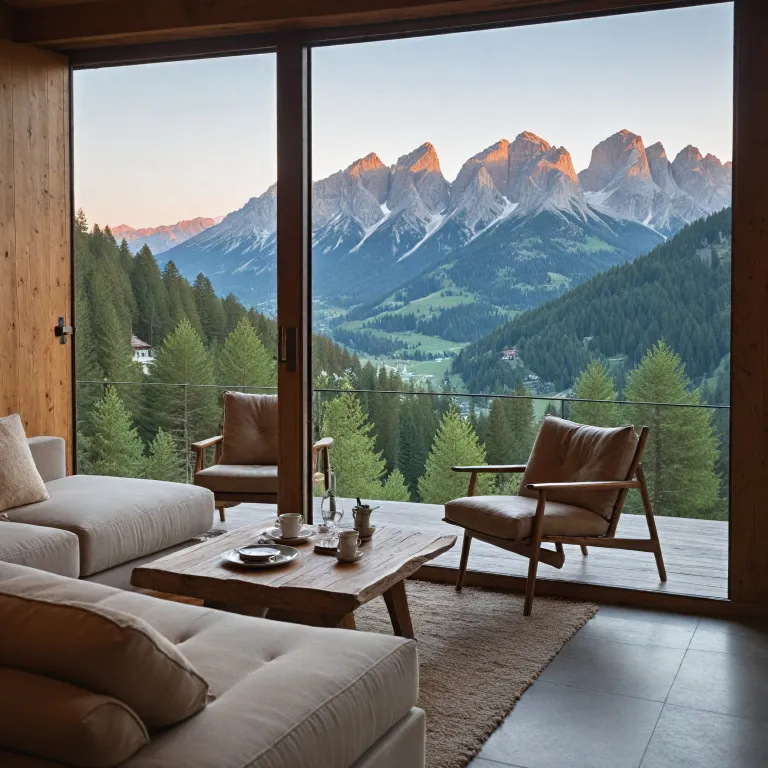
Choosing where to stay in the Dolomites for a refined escape
Understanding where to stay in the Dolomites is the first step toward a refined alpine journey. In this dramatic mountain area, each town and valley offers a different style of hotel, from discreet star hotel addresses to larger resorts with extensive wellness facilities. Travelers seeking the best balance between scenery, easy access, and services will find that planning where to stay requires clarity about priorities.
Many guests start by comparing Cortina d'Ampezzo with Val Gardena, because both areas combine high end hotels with excellent hiking and skiing. Cortina sits at about 1 224 m and feels like an elegant resort town, while Val Gardena stretches across several towns including Selva Val and Ortisei, each with its own character. When deciding where to stay, consider whether you prefer a compact town atmosphere or a valley with multiple linked villages and ski lifts.
Luxury travelers often ask where stay options feel most exclusive yet still practical for day trips. Cortina Ampezzo offers great access to Tre Cime and Lago di Braies, while Val Gardena connects easily to Alpe Siusi and the Sella Ronda ski circuit. Both areas provide hotels Dolomites visitors rate among the best, with fine dining, curated wine lists, and attentive concierge teams.
Those planning a stay Dolomites itinerary should also think about public transportation and transfers. Some towns have stronger bus and train links, which matters if you prefer not to drive between different hotels. A carefully chosen stay allows you to enjoy hiking skiing days without long commutes, leaving more time for spa rituals and slow dinners.
Understanding the key Dolomites areas and towns for luxury stays
The Dolomites stretch across a wide area, so choosing the right base town is essential for a seamless stay. Cortina, Val Gardena, Alta Badia, and the smaller val Funes each offer distinct atmospheres, and all host hotels that cater to premium expectations. When evaluating where to stay in the Dolomites, map your preferred activities against these specific valleys and towns.
Cortina Ampezzo is an upscale town with designer boutiques, refined restaurants, and quick access to dramatic peaks. From here, you can visit Dolomites icons such as Tre Cime and the scenic Lago di Braies, using a mix of car and public transportation. The town’s hotels range from intimate star hotel properties to larger spa resorts, many positioned for direct access to ski lifts in winter.
Val Gardena, including Selva Val and Ortisei, is ideal for guests who want a valley feel with multiple linked towns. This area offers some of the best hotels Dolomites wide for ski in ski out convenience, as well as direct cable car connections to Alpe Siusi. In summer, the same lifts transform into gateways for hiking routes, making hiking skiing combinations effortless during shoulder seasons.
Alta Badia and val Funes appeal to travelers seeking quieter luxury in smaller towns. Here, staying in a carefully restored hotel places you close to traditional Ladin culture and less crowded trails. When you plan where stay nights between these valleys, consider splitting your stay Dolomites time to experience both lively resort towns and tranquil rural settings.
How activities shape where to stay in the Dolomites
Your preferred activities strongly influence where to stay in the Dolomites and which hotels suit you best. Guests focused on skiing often prioritize immediate access to ski lifts and cable car stations, while hikers may value trailheads and panoramic plateaus such as Alpe Siusi. Before booking any hotel, list the specific hiking skiing routes or slopes you most want to experience.
For dedicated skiers, Val Gardena and Alta Badia provide great access to the Sella Ronda circuit and extensive interconnected pistes. Selva Val is particularly convenient, because many hotels sit close to lifts, allowing a relaxed stay with minimal walking in ski boots. In contrast, Cortina Ampezzo offers a more dispersed ski area, but rewards guests with dramatic scenery and a glamorous town atmosphere.
Summer guests who prioritize hiking often choose bases near Alpe Siusi, val Funes, or the Tre Cime area. From these towns, you can visit Dolomites viewpoints using a combination of public transportation and cable car rides, reducing the need to drive. Lago di Braies and Lago di Dobbiaco are popular day trips, so consider a stay Dolomites plan that includes at least one night near these lakes.
Those seeking a balanced itinerary may divide their stay between two or three towns. For example, you might stay first in Cortina for Tre Cime and Lago Braies, then move to Val Gardena for Alpe Siusi and skiing. This multi base approach helps you experience several of the best hotels while reducing daily travel time across the wider area.
Luxury and premium hotel styles in key Dolomites valleys
When evaluating where to stay in the Dolomites, understanding hotel styles helps align expectations with reality. In Cortina, many hotels blend classic alpine woodwork with contemporary design, offering star hotel comfort alongside extensive spa and wellness areas. These properties often emphasize fine dining, with tasting menus that reinterpret regional cuisine for a sophisticated audience.
Val Gardena and Alta Badia are renowned for ski focused hotels that still feel intimate and refined. Here, the best hotels Dolomites wide often feature ski rooms with heated lockers, direct access to ski lifts, and concierge teams who arrange private guides. During summer, the same hotels pivot toward hiking, offering early breakfasts, packed lunches, and detailed trail advice for guests.
In quieter valleys such as val Funes, the luxury experience is more about space, silence, and landscape. Hotels may be smaller in number, but rooms are generous, and views toward iconic Dolomites peaks feel almost private during a stay. Many of these properties highlight sustainability, using local materials and seasonal produce while still delivering polished service.
Travelers comparing hotels Dolomites options should also consider how many nights to allocate to each area. A three or four night stay in one town allows you to settle in, while a shorter stay suits those touring multiple towns. For inspiration on refined alpine stays in another region, you can review this guide to luxury hotels in Zermatt with Matterhorn views and apply similar criteria to your Dolomites planning.
Practical access, public transportation, and multi stop itineraries
Logistics play a central role in deciding where to stay in the Dolomites, especially for guests who value seamless transfers. While renting a car offers maximum flexibility, public transportation can still support a well structured stay across several towns. As one expert summary notes, “While public transport is available, renting a car offers more flexibility to explore remote areas.”
Major gateways sit outside the core Dolomites area, so plan extra time for transfers to your first hotel. Once in the mountains, buses and regional trains connect key towns such as Cortina, Dobbiaco, and the val Pusteria corridor. From these hubs, you can reach Lago di Braies, Tre Cime, and other highlights using a mix of buses and cable car systems.
Guests who prefer not to drive should prioritize towns with strong public transportation links and frequent services. Cortina Ampezzo and Val Gardena both offer relatively easy access, though schedules vary by season and between skiing and hiking periods. When comparing where stay options, ask hotels about shuttle services to ski lifts, trailheads, and nearby bus stops.
Multi stop itineraries allow you to experience several valleys without excessive backtracking. A typical premium route might combine a stay in Cortina, a few nights in Val Gardena, and a quieter finale in val Funes or Alta Badia. This approach lets you sample different hotels Dolomites wide, from glamorous town properties to secluded mountain retreats, while keeping daily travel times manageable.
Crafting a premium Dolomites stay around seasons and experiences
Seasonality strongly shapes where to stay in the Dolomites and which hotels feel most appealing. Winter emphasizes skiing, spa rituals, and evenings in elegant lounges, while summer highlights hiking, cycling, and lakeside walks at Lago di Braies. Shoulder seasons can be ideal for guests who value calm towns, softer light, and more attentive service during a quieter stay.
During winter, Cortina Ampezzo and Val Gardena stand out for extensive skiing terrain and polished hospitality. Selva Val offers immediate access to ski lifts and the Sella Ronda, while Cortina’s ski area combines dramatic scenery with a lively town. Many star hotel properties in these areas provide ski concierges, private transfers, and heated outdoor pools overlooking snowy Dolomites peaks.
In summer, attention shifts toward hiking skiing combinations on high plateaus and ridgelines. Alpe Siusi, val Funes, and the Tre Cime area become prime bases, with hotels tailoring services to early starts and long days outdoors. You can visit Dolomites lakes such as Lago di Braies or Lago di Dobbiaco as day trips, then return to your chosen stay for gourmet dinners.
For guests planning a longer stay Dolomites itinerary, alternating active days with spa days keeps energy balanced. Choose hotels Dolomites wide that offer both wellness facilities and access to trails, so you can adapt plans to weather and mood. Ultimately, the best hotels are those that align with your preferred rhythm, whether that means sunrise hikes, late night aperitivo, or both.
Key statistics for planning where to stay in the Dolomites
- Madonna di Campiglio offers approximately 57 ski lifts, providing extensive uplift capacity across its ski area.
- The total length of ski runs in Madonna di Campiglio is about 150 km, suitable for varied skiing abilities.
- Cortina d'Ampezzo sits at an elevation of roughly 1 224 m, contributing to its reliable winter conditions and alpine climate.
Essential questions about choosing where to stay in the Dolomites
What is the best time to visit the Dolomites ?
The best time to visit depends on your activities: winter for skiing (December to March) and summer for hiking (June to September). When planning where to stay in the Dolomites, align your chosen towns and hotels with these seasonal windows. This ensures that ski lifts, cable car services, and hiking routes operate as expected during your stay.
Are there family friendly towns in the Dolomites ?
Yes, towns like San Candido and Dobbiaco are known for their family-friendly atmosphere and activities. These towns offer easy access to gentle hiking routes, lakes, and winter facilities suitable for children and multi generational groups. When selecting where stay options, look for hotels that provide family rooms, kids’ menus, and proximity to public transportation.
Is it necessary to rent a car to explore the Dolomites ?
Is it necessary to rent a car to explore the Dolomites? While public transport is available, renting a car offers more flexibility to explore remote areas. For luxury and premium travelers, a car often simplifies multi stop itineraries between Cortina Ampezzo, Val Gardena, Alta Badia, and val Funes, especially when combining skiing, hiking, and lake visits within a single stay.
Trusted sources for further planning : Italian National Tourist Board ; Südtirol / Alto Adige official tourism ; Dolomiti Superski official information.